Long before the postcards
Humans have inhabited the area of Dublin Bay since prehistoric times. Fish traps discovered from excavations during the construction of the Convention Centre Dublin indicate human habitation as far back as 6,000 years ago.
 Ireland
Trinity College and the Book of Kells, Georgian doors and squares, the Guinness Storehouse, live music in pubs and the sea at the end of a train line.
Dublin is the capital and largest city of Ireland. Situated on Dublin Bay at the mouth of the River Liffey, it is in the province of Leinster, and is bordered on the south by the Dublin Mountains, part of the Wicklow Mountains range. Dublin is the largest city by population on the island of Ireland; at the 2022 census, the city council area had a population of 592,713, while the city, including suburbs, had a population of 1,263,219, and County Dublin had a population of 1,501,500.
From Wikipedia, "Dublin" (CC BY-SA 4.0)
Known for
Why it might fit you: Dublin is small and sociable. See the sights by day, spend evenings in pubs with traditional music, and use the DART train for easy days on the coast at Howth or Dalkey.
Currency: Wikidata. Airports: OurAirports; distances are straight-line from the center of Dublin.
Worth knowing
Long before the postcards
Humans have inhabited the area of Dublin Bay since prehistoric times. Fish traps discovered from excavations during the construction of the Convention Centre Dublin indicate human habitation as far back as 6,000 years ago.
Sun and sky today
Checking today's forecast…
On the table
As of the 2024 Michelin Guide, seven Dublin restaurants shared ten Michelin stars – including Restaurant Patrick Guilbaud, Liath and Chapter One with two. Irish-born Kevin Thornton was awarded two Michelin stars in 2001 – though his restaurant, Thornton's, closed in 2016.
The land
Dublin is situated at the mouth of the River Liffey and its urban area encompasses approximately 345 square kilometres in east-central Ireland.
By the numbers
History, food and land: Wikipedia, "Dublin" (CC BY-SA 4.0, quoted). Numbers: Wikidata. Sun and UV: Open-Meteo.
Dublin is a small, friendly capital made for wandering: literary history, lively pubs and easy day trips to the coast and the Wicklow Mountains.
Take the 2-minute quizAverage high and low (°F) and rainy days, 2016–2025. Best months are highlighted.
Source: Open-Meteo historical weather (ERA5), CC BY 4.0. Past averages, not a forecast.
Use the scores to understand the destination quickly, then explore the details that matter to you.
These are rough daily estimates per person before flights, but they help set expectations.
Central hotel, Guinness Storehouse and Book of Kells, dinners out.
Tap any item for timing, tips, and who it suits.
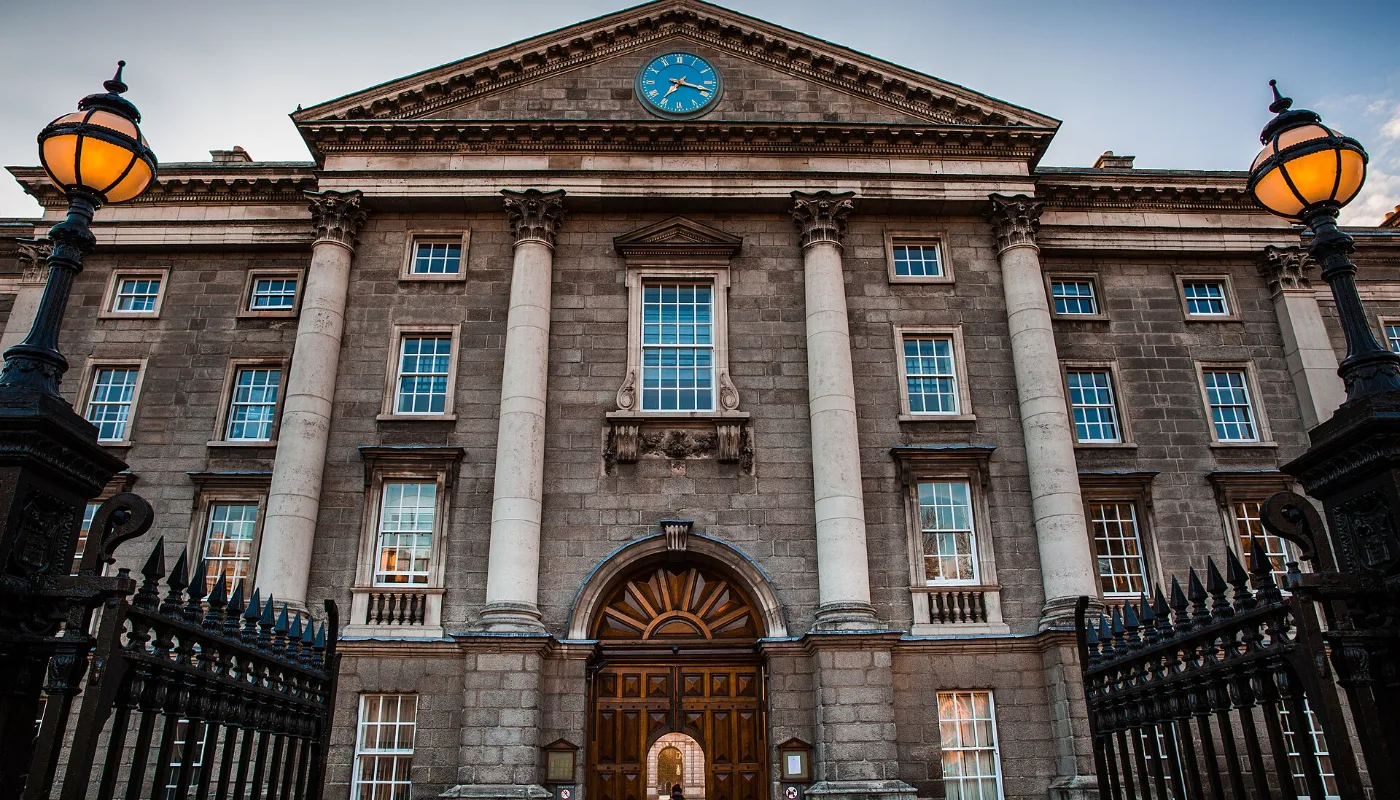
The Book of Kells, a ninth-century illuminated manuscript, and the Long Room library at Trinity College.
Ireland's great treasure.
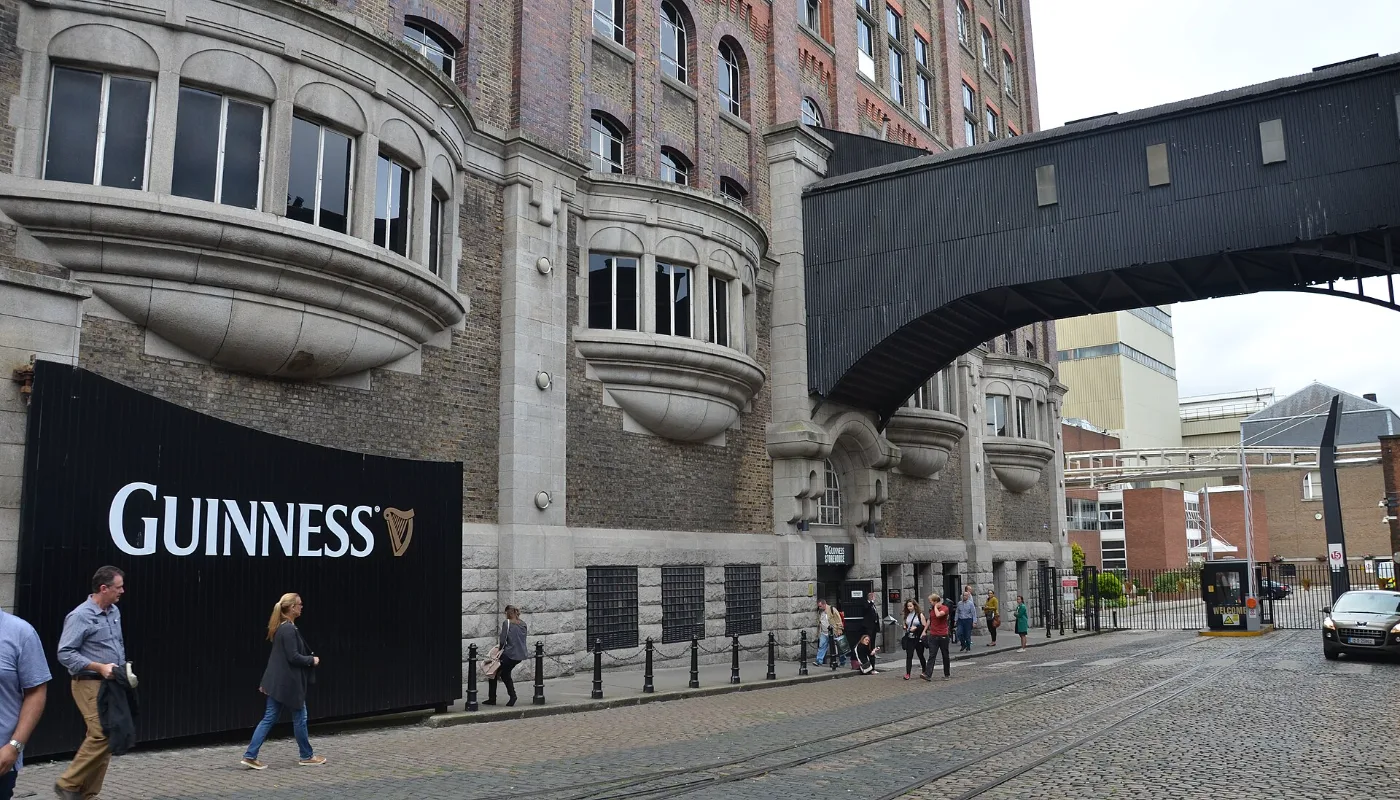
The Guinness visitor experience in a former fermentation building, ending with a pint at the rooftop Gravity Bar.
Dublin's most visited attraction.
Traditional Irish music sessions in pubs, often free to listen to.
The soundtrack of Dublin.
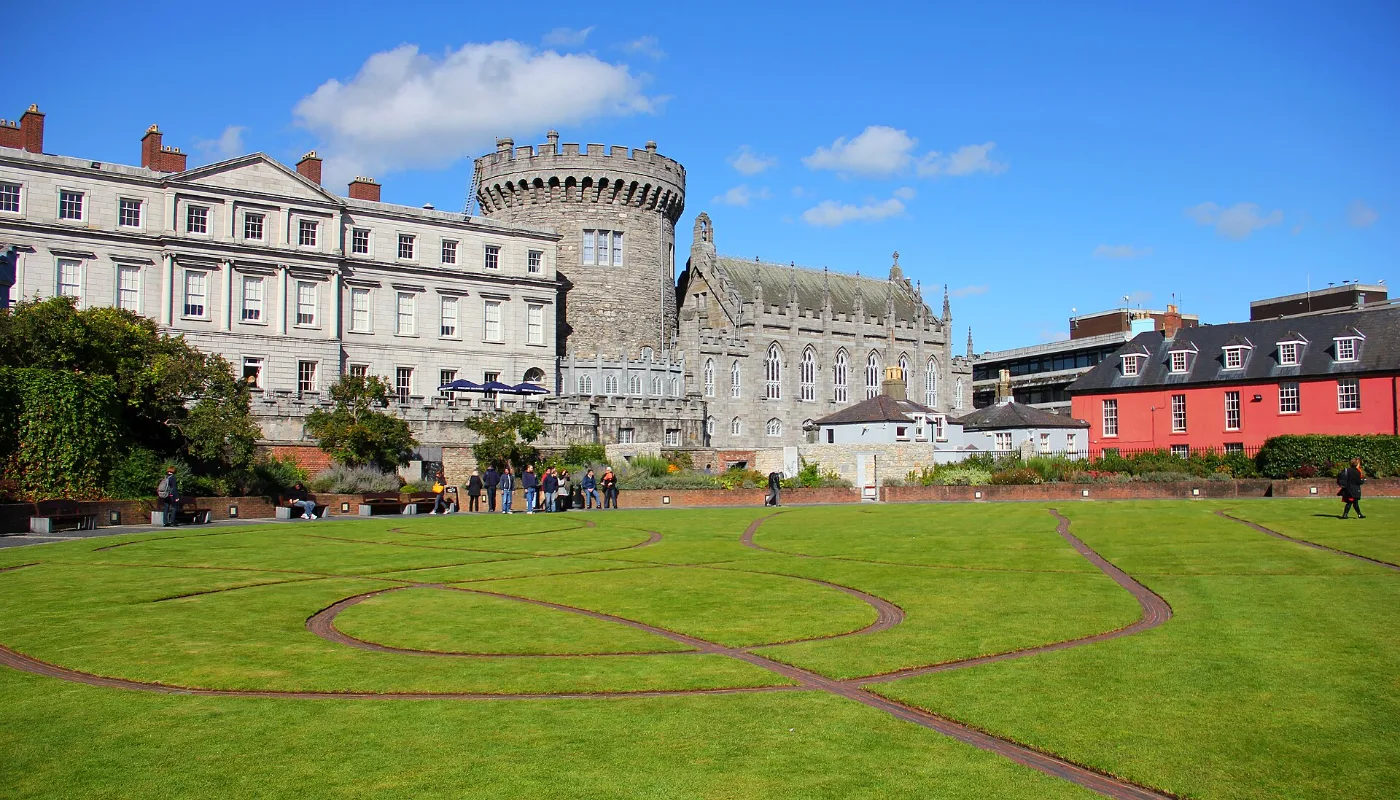
A site of power for centuries, with State Apartments and the free Chester Beatty Library next door.
History in one complex.
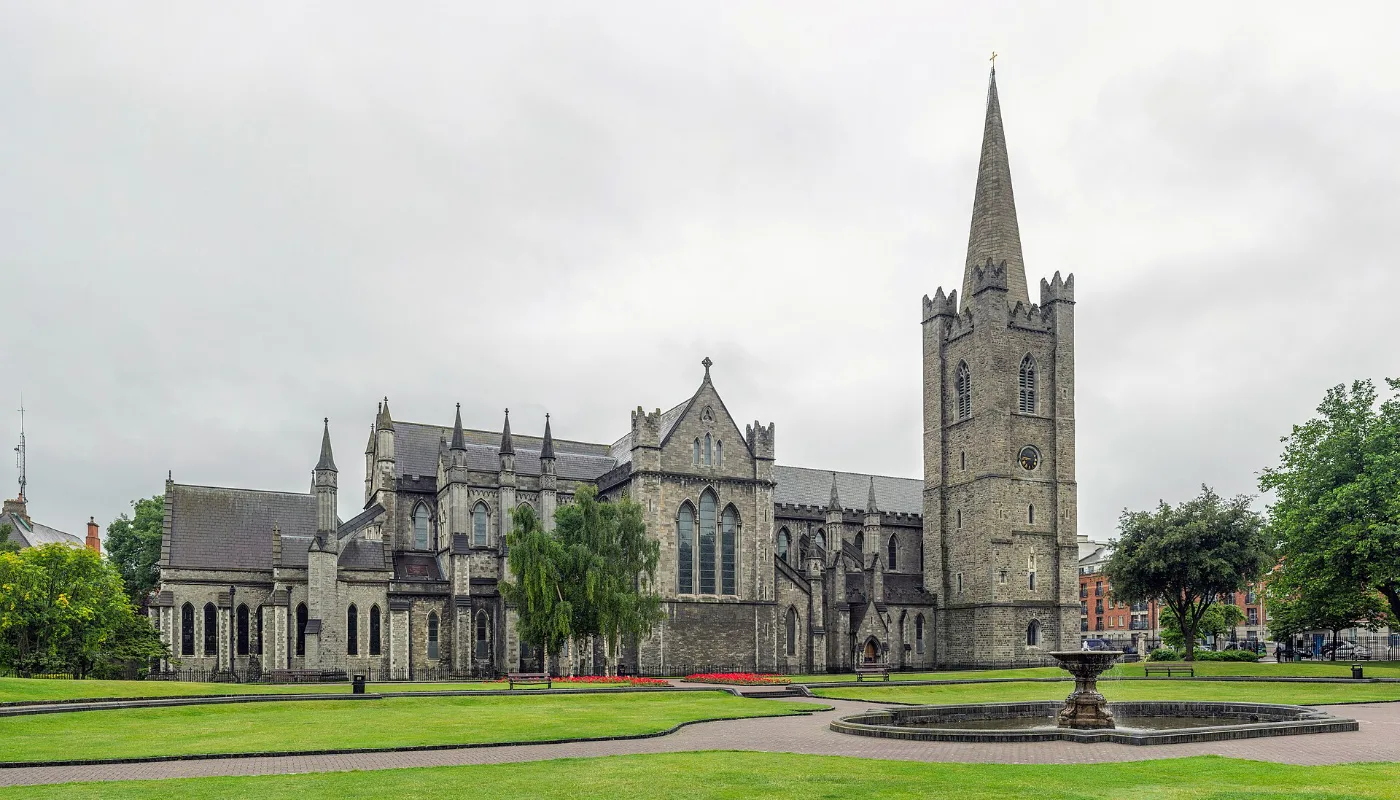
Ireland's largest cathedral, founded beside a well where St Patrick is said to have baptized converts.
Medieval Dublin.
Georgian Dublin's parks and squares, from St Stephen's Green to Merrion Square.
Colorful doors and green lawns.
A cliff path around the Howth peninsula with sea views, ending at a fishing harbor with seafood restaurants.
Coast within 30 minutes of the city.
A former prison, now a museum, where leaders of Irish rebellions were held and executed.
Ireland's fight for independence.
Tap any item for timing, tips, and who it suits.
The Guinness visitor experience in a former fermentation building, ending with a pint at the rooftop Gravity Bar.
Dublin's most visited attraction.
Traditional Irish music sessions in pubs, often free to listen to.
The soundtrack of Dublin.
A cliff path around the Howth peninsula with sea views, ending at a fishing harbor with seafood restaurants.
Coast within 30 minutes of the city.
The St Patrick's Festival, with a big parade through the city center.
Dublin at its most festive.
Glendalough's monastic site and lakes, and the hills of the Wicklow Mountains.
Ireland's countryside, close by.
The Book of Kells, a ninth-century illuminated manuscript, and the Long Room library at Trinity College.
Ireland's great treasure.
A simple sample itinerary, one line per day:
$$$ · Pricey compared with other places on No Name. A label, not a price.
Switch the personality of the trip and see how the days change.
Parks, pubs and cafés.
Seaside towns by train.
The essentials without rushing.
Use the planner to adjust travelers, budget, dates, flights, stays, and the daily schedule.
Opens Google Flights and Booking.com searches for Dublin, Ireland. No Name doesn't earn from these links. Prices and availability are on those sites.
Food, photo spots, money tips, and destination-specific details.
Irish stew, seafood chowder, soda bread, a full Irish breakfast and, of course, Guinness.
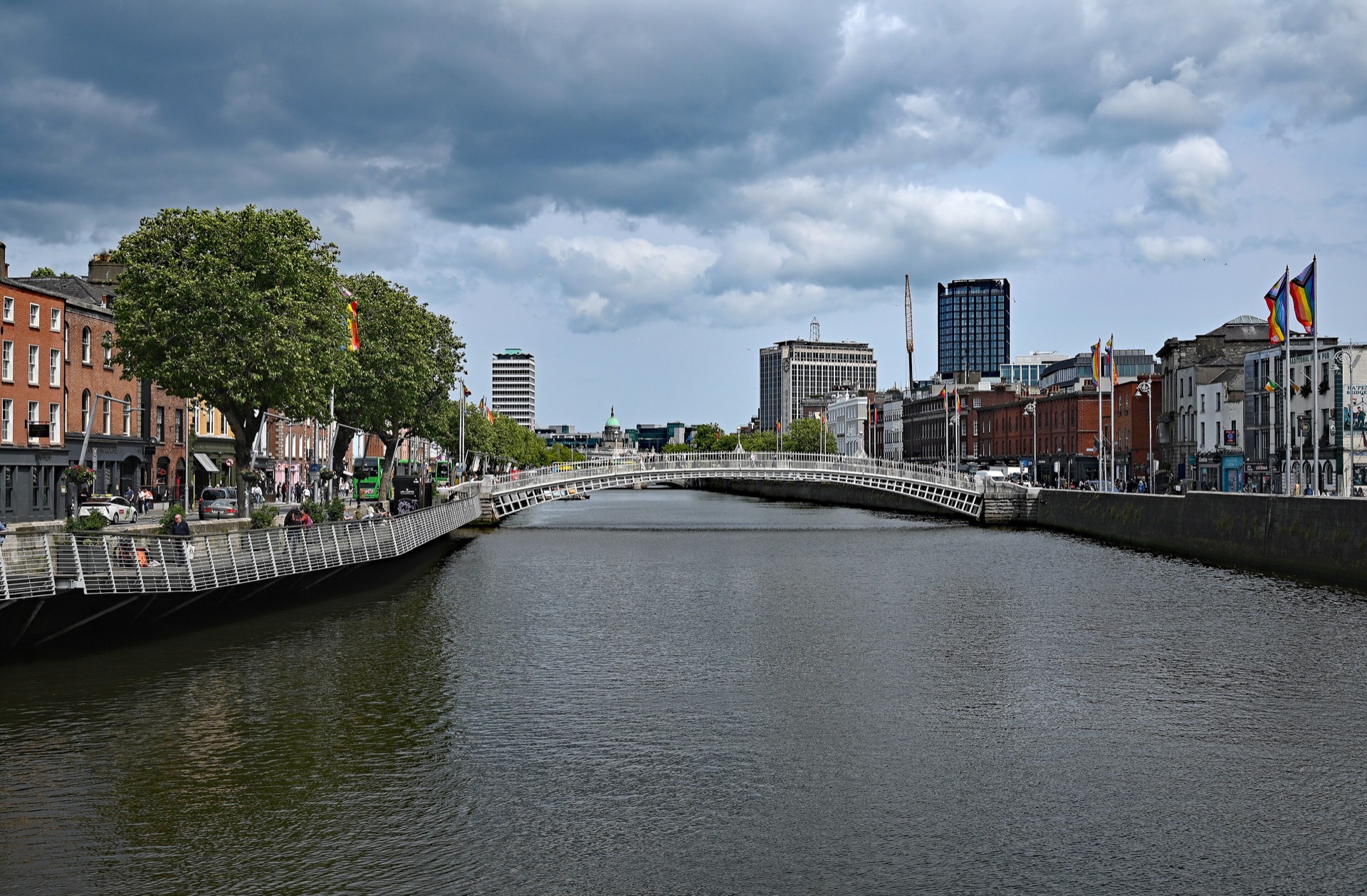
The Ha'penny Bridge at dusk, Trinity's Long Room, and the cliffs at Howth.
National museums are free, and the DART makes the coast an easy, cheap day out.
The details that prevent avoidable mistakes and make the destination feel easier from day one.
Ireland uses the euro.
Book Book of Kells and Guinness Storehouse tickets online for set times.
Expect rain at any time of year; pack a waterproof.
Pub kitchens often close earlier than the bar.
The Leap Visitor Card covers buses, the Luas tram and DART trains.
Hotels get expensive on big weekends, especially around St Patrick's Day.
If Dublin feels right, these destinations may fit your personality too.