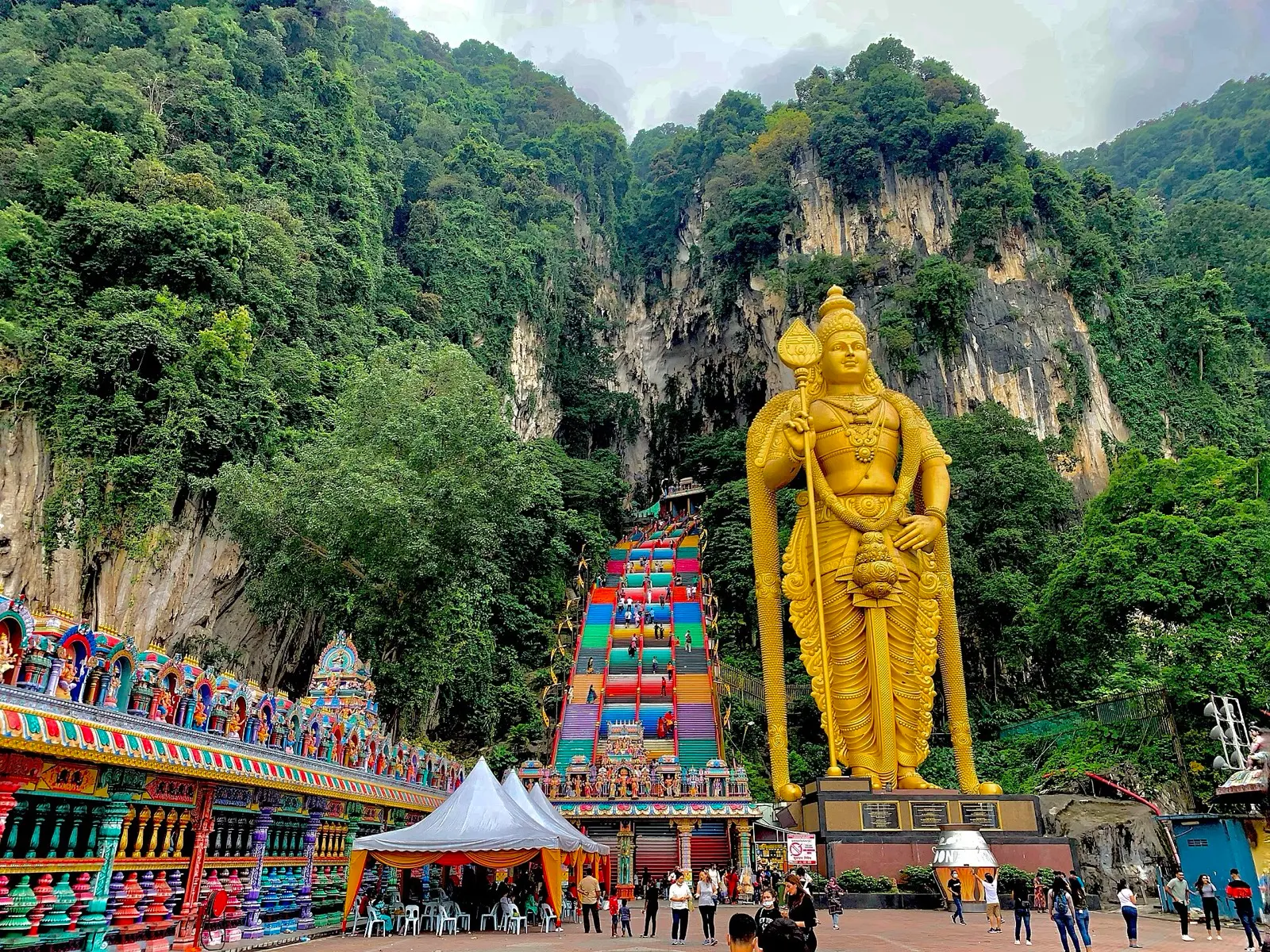
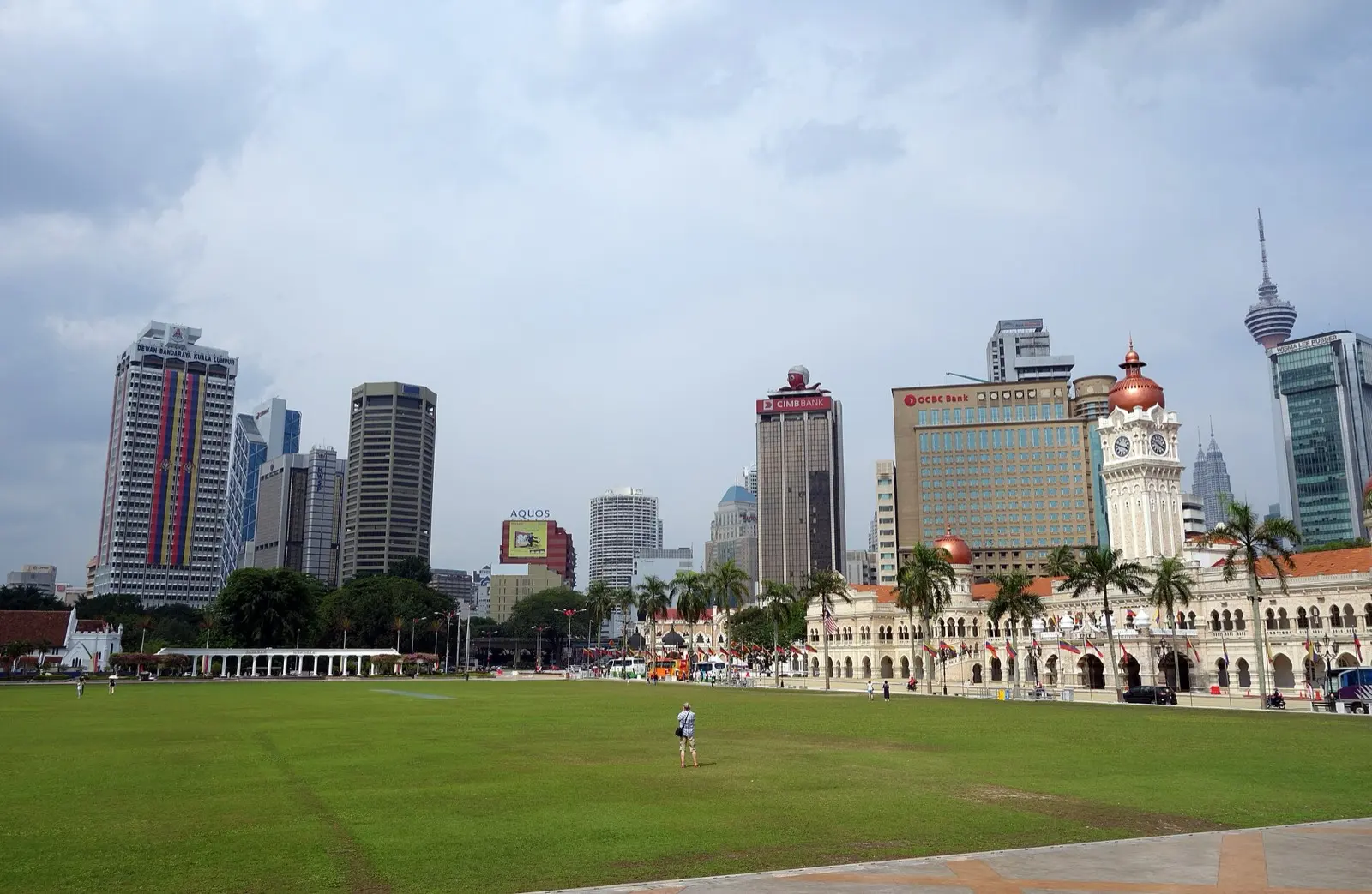
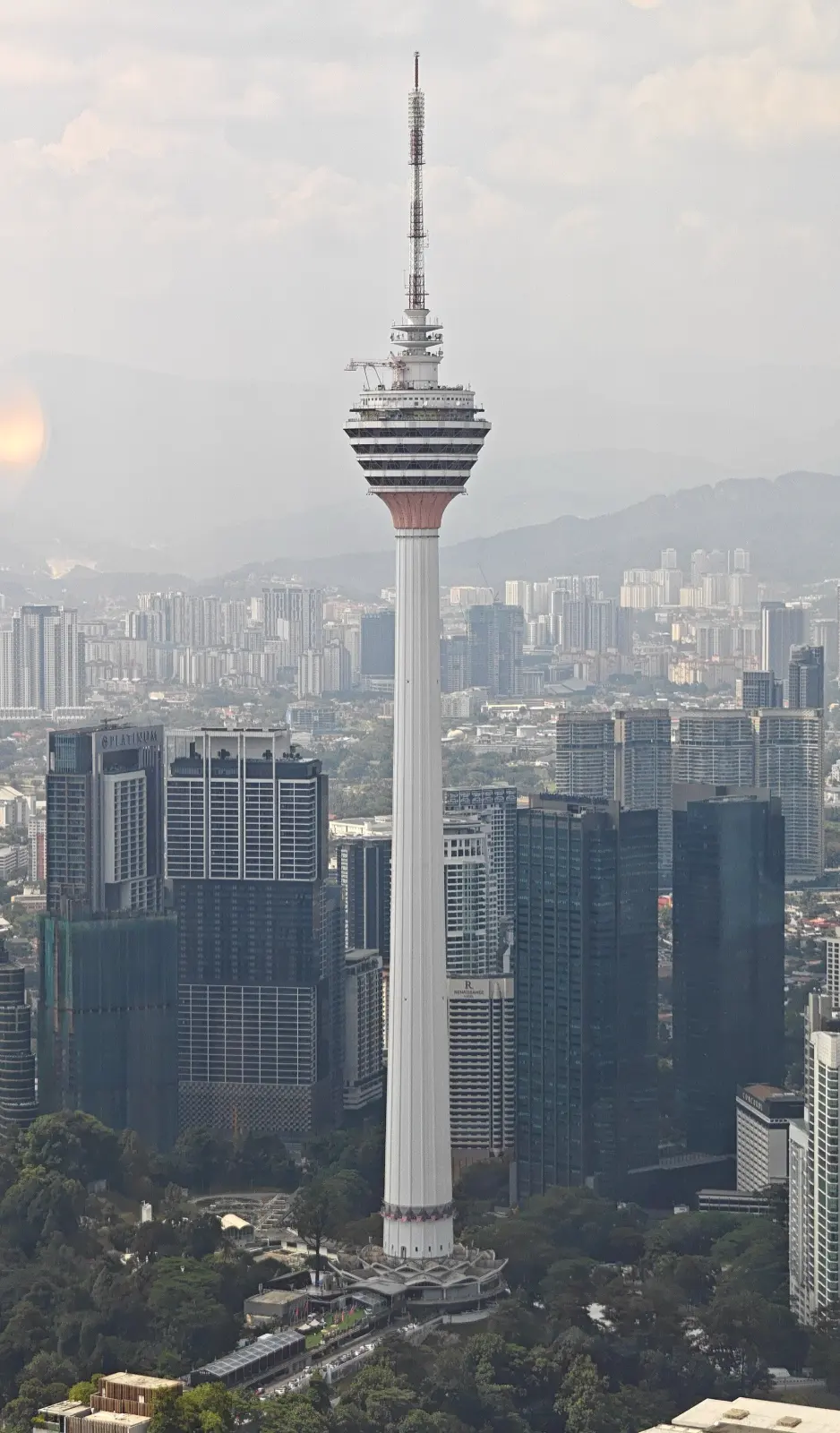
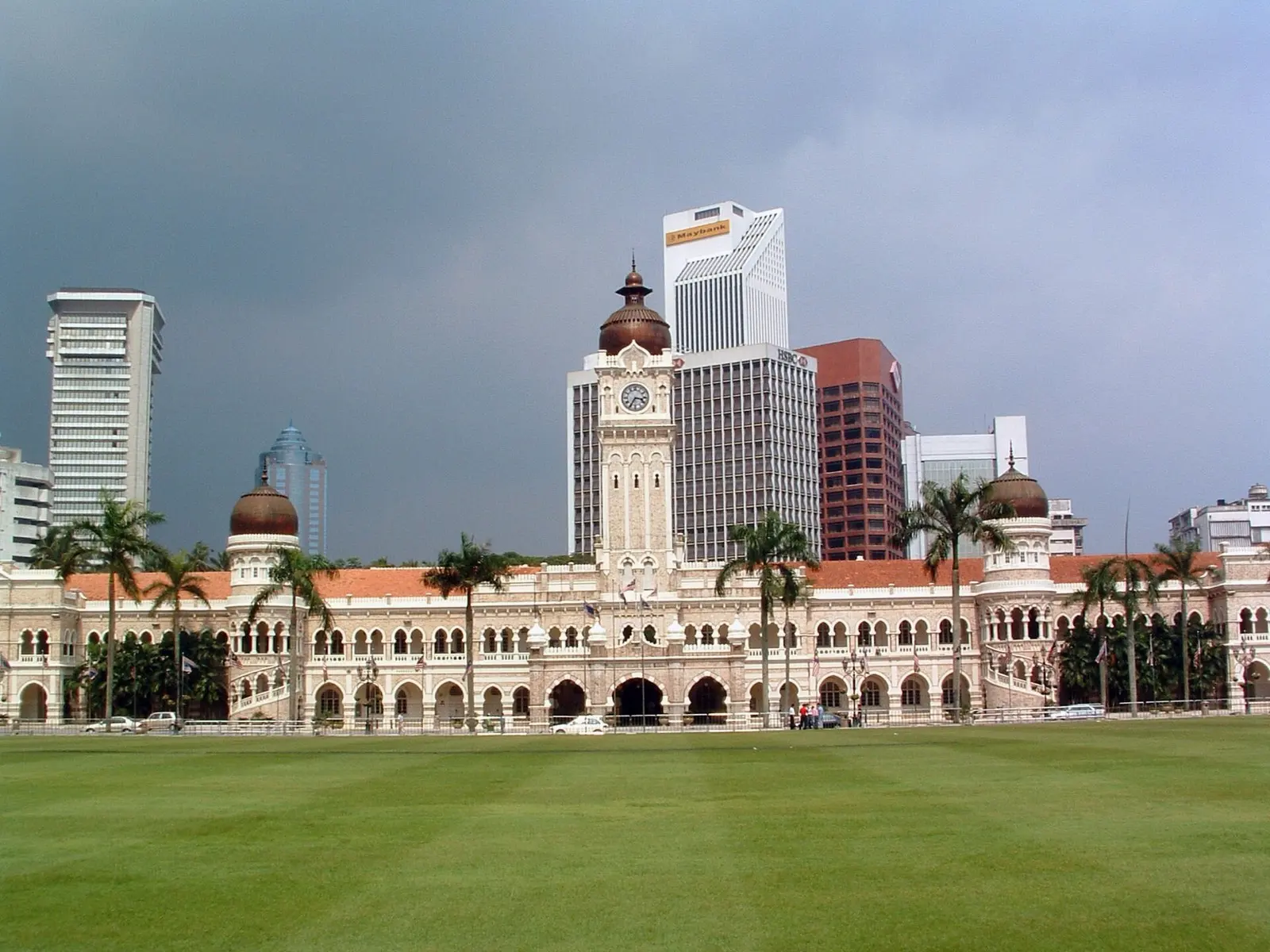
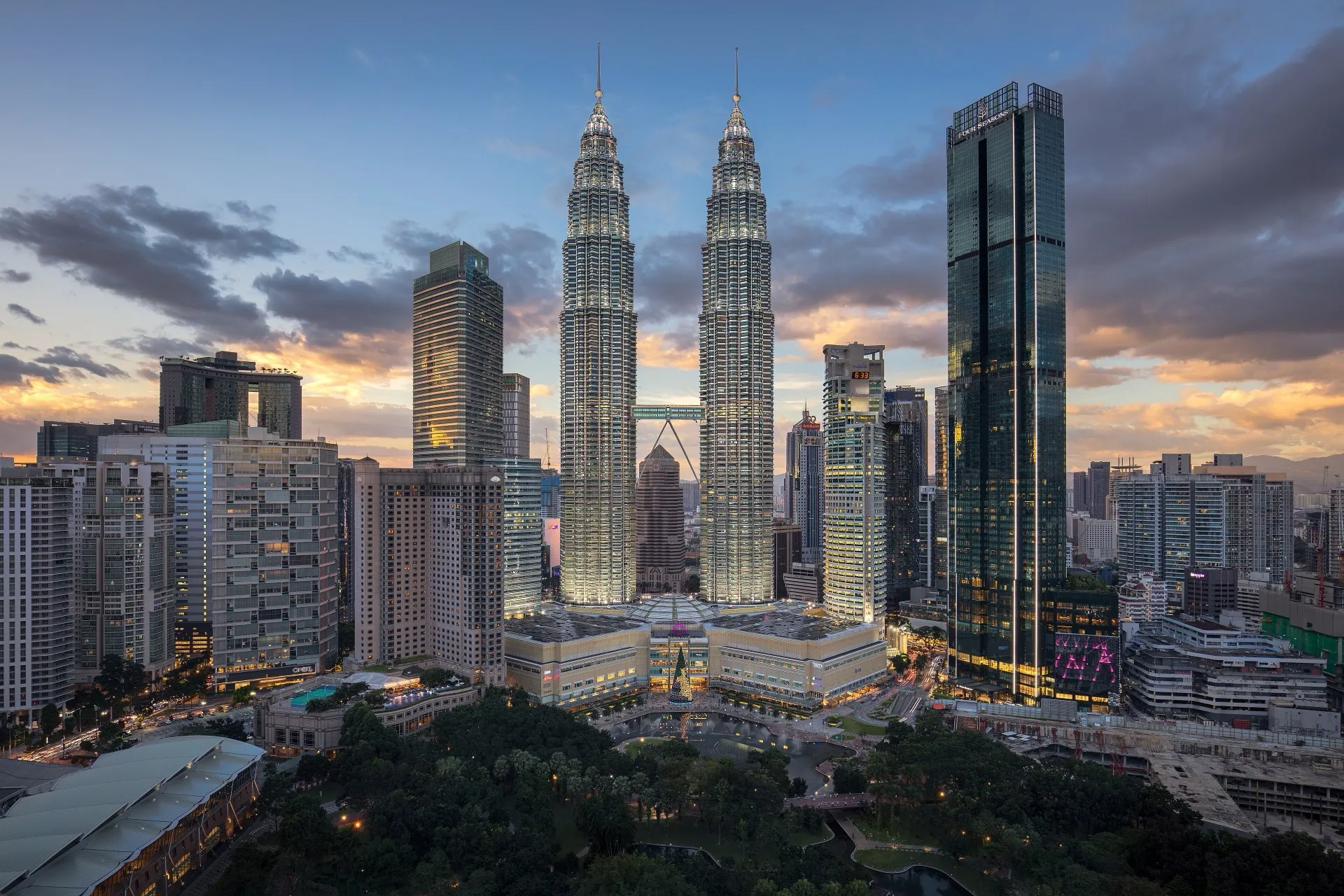
Kuala Lumpur, officially the Federal Territory of Kuala Lumpur, is the capital city and a federal territory of Malaysia. It is the most populous city in the country, covering an area of 243 km² with a population of 2,111,536 as of 2026. Greater Kuala Lumpur, which itself includes the Klang Valley, is an urban agglomeration of 8.81 million people as of 2024. It is among the fastest growing metropolitan regions in Southeast Asia, in terms of both population and economic development.
Why it might fit you: Excellent food, cultural variety, modern city sights, and a lot of experience for the budget.
Currency: Wikidata. Airports: OurAirports; distances are straight-line from the center of Kuala Lumpur.
💰
Typical Trip
$1,000–$2,300
📅
Best Time
May–Jul, Dec–Feb
✈️
Trip Length
3–5 days
🏨
Stay Areas
Bukit Bintang, KLCC
Worth knowing
Kuala Lumpur, a little deeper
Long before the postcards
The official account considers Kuala Lumpur to have been founded by the Malay Chief of Klang, Raja Abdullah, who sent Chinese miners into the region to open tin mines in 1857, although it is unclear who the first settlers were since there were likely settlements at the Gombak-Klang river confluence before that in the 1820s.
Sun and sky today
Checking today's forecast…
The land
The geography of Kuala Lumpur is characterised by the huge Klang Valley, bordered by the Titiwangsa Mountains in the east, several minor ranges in the north and the south, and the Strait of Malacca in the west. Kuala Lumpur is a Malay term that translates to "muddy confluence" and is located at the confluence of the Klang and Gombak rivers which flow into the Selangor River.
By the numbers
People
9,000,280
as of 2025
Area
244 km²
94 sq mi
Elevation
66 m
217 ft
History, food and land: Wikipedia, "Kuala Lumpur" (CC BY-SA 4.0, quoted). Numbers: Wikidata. Sun and UV: Open-Meteo.
Opens Google Flights and Booking.com searches for Kuala Lumpur, Malaysia. No Name doesn't earn from these links. Prices and availability are on those sites.
 Malaysia