Long before the postcards
The region of Rio was inhabited by the Tupi, Puri, Botocudo and Maxakalí peoples.
 Brazil
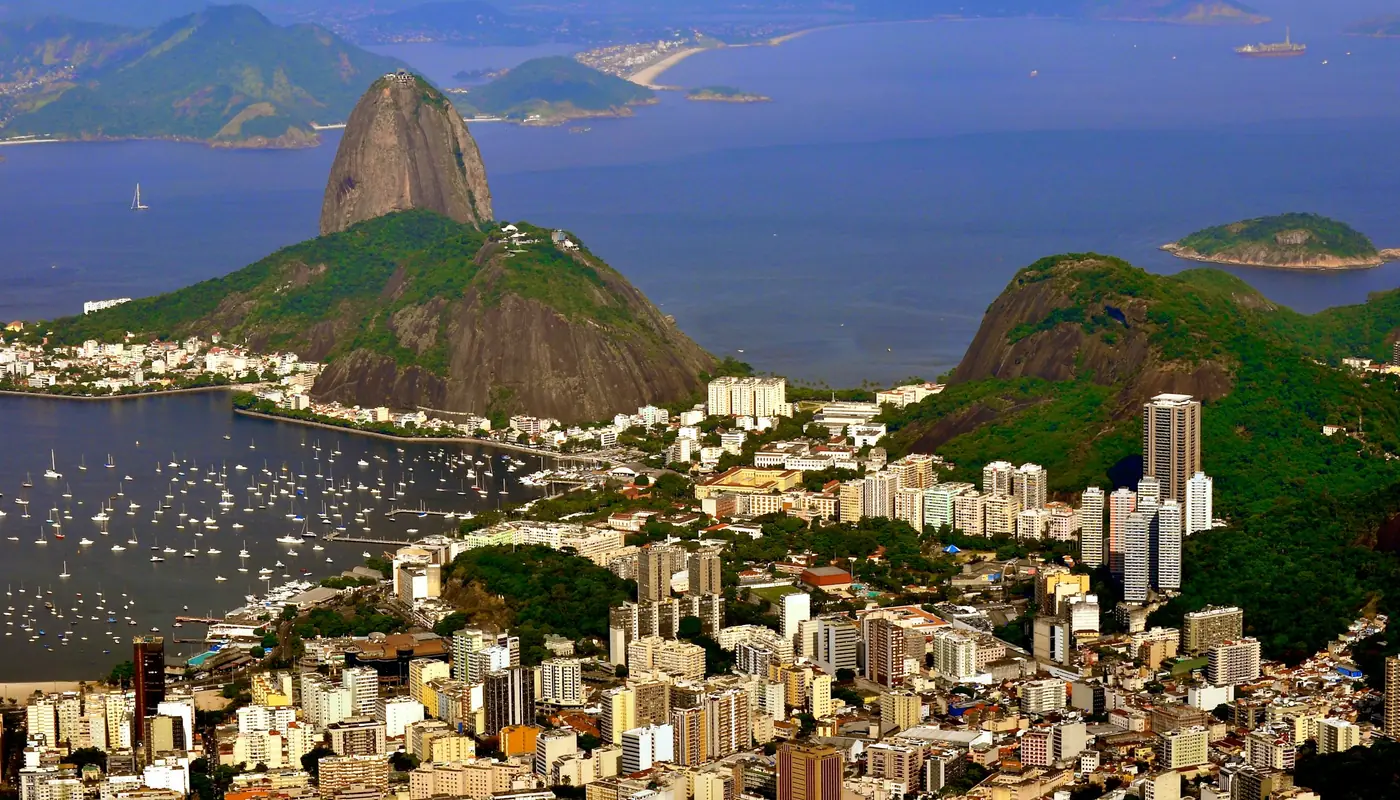
Granite peaks, famous beaches, rainforest inside the city, samba, street food, football, and huge views from every angle.
Rio de Janeiro, also known simply as Rio, is the capital and largest city of the state of Rio de Janeiro. It is the second-largest city in Brazil after São Paulo, and the largest by number of international tourists. It has a population of 6 million in the city proper, and 13 million in its metropolitan area as of 2025. It is also the sixth-most-populous city in the Americas. Founded in 1565, the city was initially the seat of the Captaincy of Rio de Janeiro, a domain of the Portuguese Empire.
From Wikipedia, "Rio de Janeiro" (CC BY-SA 4.0)
Known for
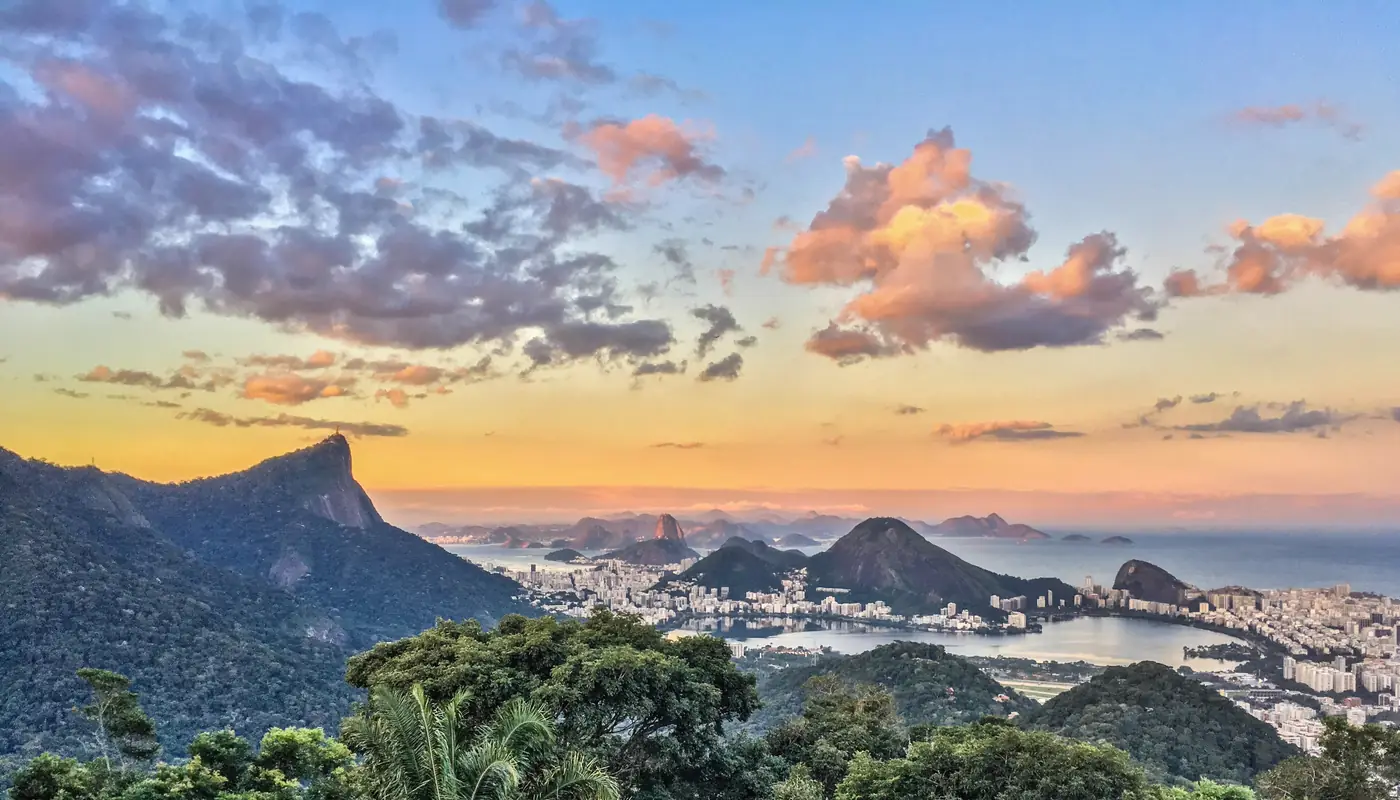
Why it might fit you: Rio is a big city squeezed between mountains and the sea. The best trips pair the classic viewpoints with beach time and neighborhood evenings, and keep an eye on the weather for the big lookouts.
Currency: Wikidata. Airports: OurAirports; distances are straight-line from the center of Rio de Janeiro.
Worth knowing
Long before the postcards
The region of Rio was inhabited by the Tupi, Puri, Botocudo and Maxakalí peoples.
Sun and sky today
Checking today's forecast…
The land
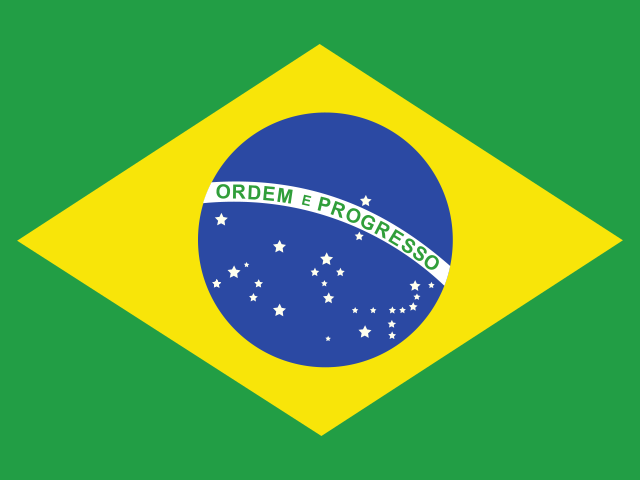
Rio de Janeiro is near the west end of a strip of Brazil's Atlantic coast close to the Tropic of Capricorn where the shoreline is oriented east and west; the city thus faces largely south. It was founded at the entrance to an inlet, Guanabara Bay, which is marked by a point of land called Sugar Loaf – a "calling card" of the city.
By the numbers
History, food and land: Wikipedia, "Rio de Janeiro" (CC BY-SA 4.0, quoted). Numbers: Wikidata. Sun and UV: Open-Meteo.
Beaches, mountain views, social energy, music, and outdoor experiences all built into one city.
Take the 2-minute quizAverage high and low (°F) and rainy days, 2016–2025. Best months are highlighted.
Source: Open-Meteo historical weather (ERA5), CC BY 4.0. Past averages, not a forecast.
Use the scores to understand the destination quickly, then explore the details that matter to you.
These are rough daily estimates per person before flights, but they help set expectations.
Beach-area hotel, restaurants, Corcovado and Sugarloaf, and a guided hike.
Tap any item for timing, tips, and who it suits.
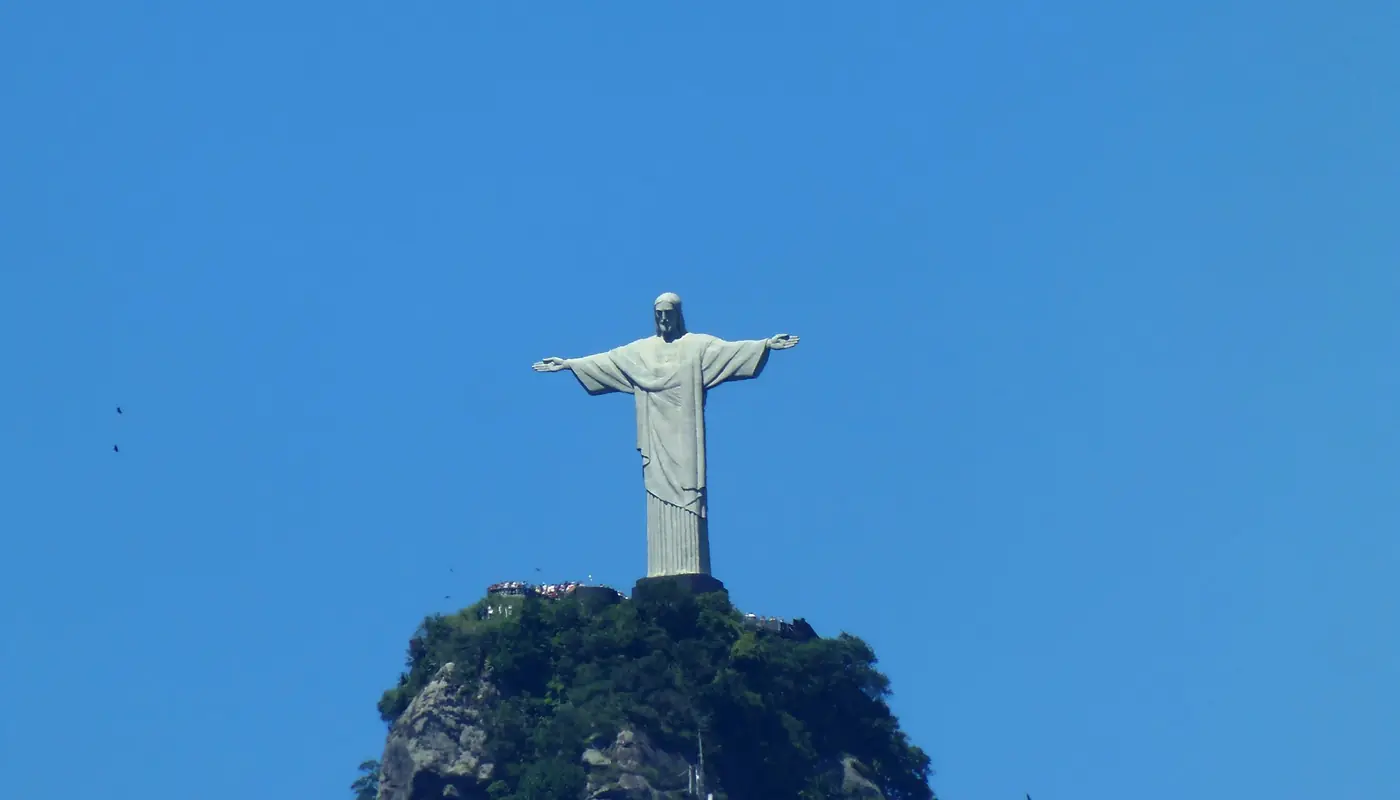
The 30 m Art Deco statue on the 700 m Corcovado peak, reached by cog train, van or trail.
Rio's defining view and a world icon.
Cable cars from Praia Vermelha to Morro da Urca, then on to the summit of Sugarloaf.
Panoramic views of beaches and the bay.
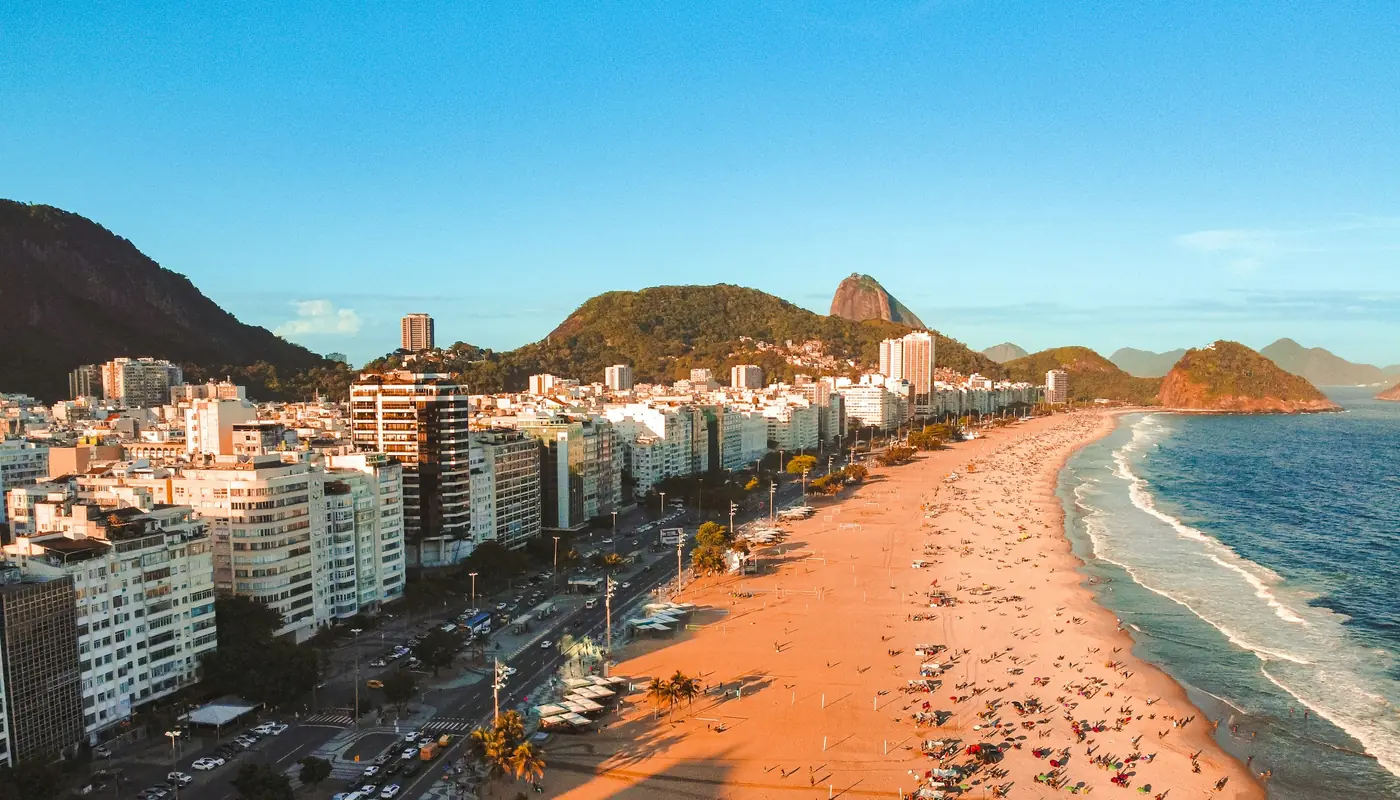
Rio's two most famous beaches, with kiosks, volleyball and the Dois Irmãos peaks at Ipanema's end.
Social beach life at its best.
215 steps covered in tiles from around the world by artist Jorge Selarón.
A colorful, artistic stop.
The Jardim Botânico's palm avenue and Parque Lage's mansion courtyard beneath Corcovado.
Calm, green and beautiful.
One of the world's largest urban forests, with trails to peaks and waterfalls.
Rainforest adventure inside the city.
Lapa's bars and clubs host live samba and forró, especially on weekends.
Rio's music and nightlife.
One of football's most famous stadiums, home to Flamengo and Fluminense.
Electric atmosphere for social travelers.
Tap any item for timing, tips, and who it suits.
Cable cars from Praia Vermelha to Morro da Urca, then on to the summit of Sugarloaf.
Panoramic views of beaches and the bay.
The 30 m Art Deco statue on the 700 m Corcovado peak, reached by cog train, van or trail.
Rio's defining view and a world icon.
Rio's two most famous beaches, with kiosks, volleyball and the Dois Irmãos peaks at Ipanema's end.
Social beach life at its best.
Lapa's bars and clubs host live samba and forró, especially on weekends.
Rio's music and nightlife.
On clear evenings, people gather on Arpoador rock and applaud as the sun sets behind Dois Irmãos.
A joyful local ritual.
Ice-cold coconut water sold at beach kiosks all along the shore.
A simple Rio pleasure.
A simple sample itinerary, one line per day:
$$ · Moderate compared with other places on No Name. A label, not a price.
Switch the personality of the trip and see how the days change.
Long beach mornings with one big sight per day.
Rio's gardens, lagoon, and forest at an easy pace.
A short, easy taste of the city.
Use the planner to adjust travelers, budget, dates, flights, stays, and the daily schedule.
Opens Google Flights and Booking.com searches for Rio de Janeiro, Brazil. No Name doesn't earn from these links. Prices and availability are on those sites.
Food, photo spots, money tips, and destination-specific details.
Feijoada, pão de queijo, açaí, grilled meat at a churrascaria, beach snacks, and fresh juice bars.
Sugarloaf at sunset, Corcovado, Arpoador rock, the Selarón Steps, and Parque Lage with Corcovado behind.
Beaches, hikes, and neighborhood walks cost little; save for the two big viewpoints and one great dinner.
The details that prevent avoidable mistakes and make the destination feel easier from day one.
Clouds often cover Corcovado, so keep the viewpoints flexible and go on the clearest day.
Carry only what you need on the beach and at night, and use registered taxis or ride apps after dark.
Summer (Dec–Mar) is hot and humid with afternoon storms.
Carnival dates move each year and the city books up well ahead.
Some guided hikes and favela tours are best done with a reputable local guide.
Ocean currents can be strong; swim where locals swim and follow lifeguard flags.
If Rio de Janeiro feels right, these destinations may fit your personality too.