Long before the postcards
Seville is approximately 2,200 years old. The passage of the various civilizations instrumental in its growth has left the city with a distinct personality, and a large and well-preserved historical centre.
 Andalusia, Spain
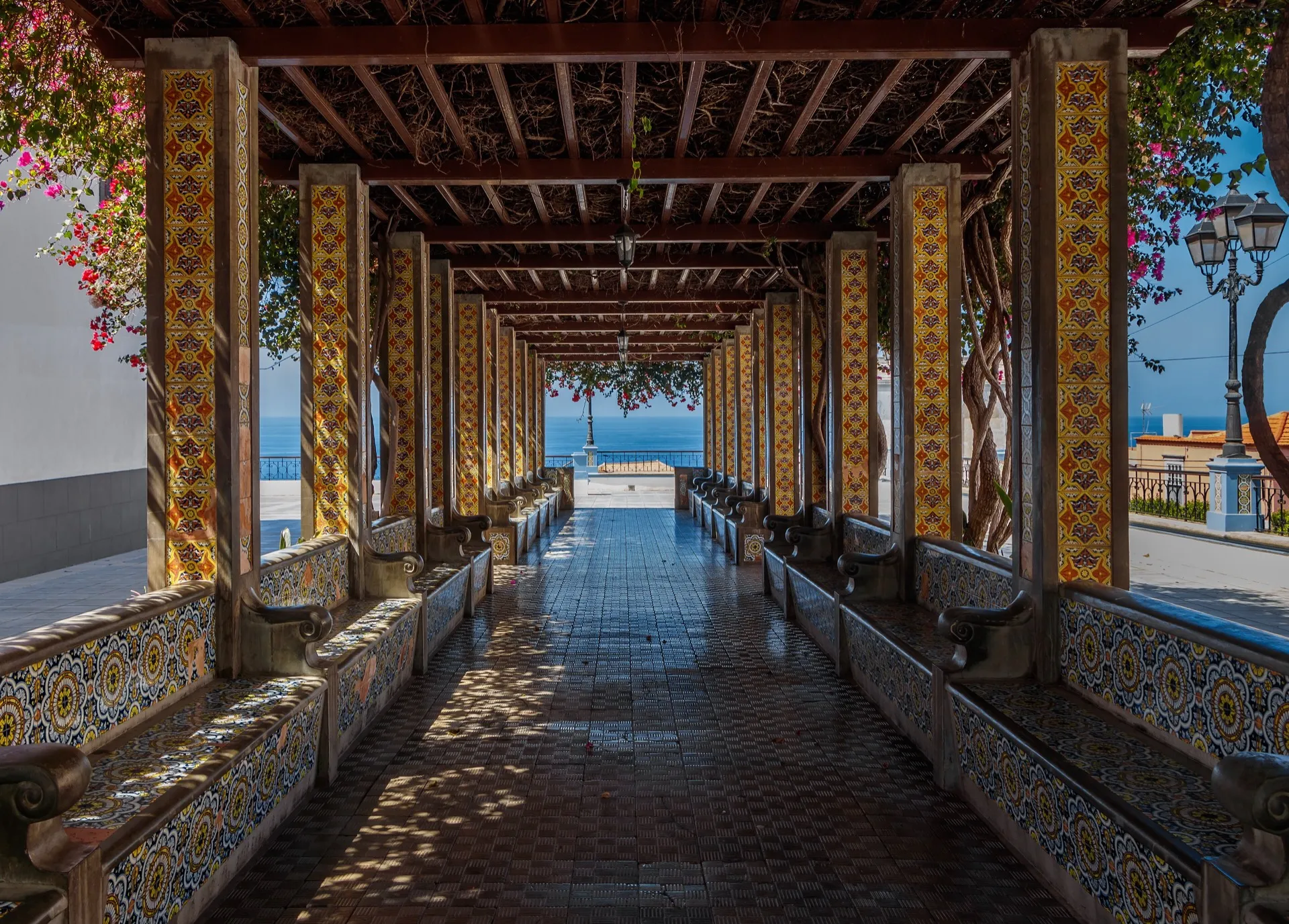
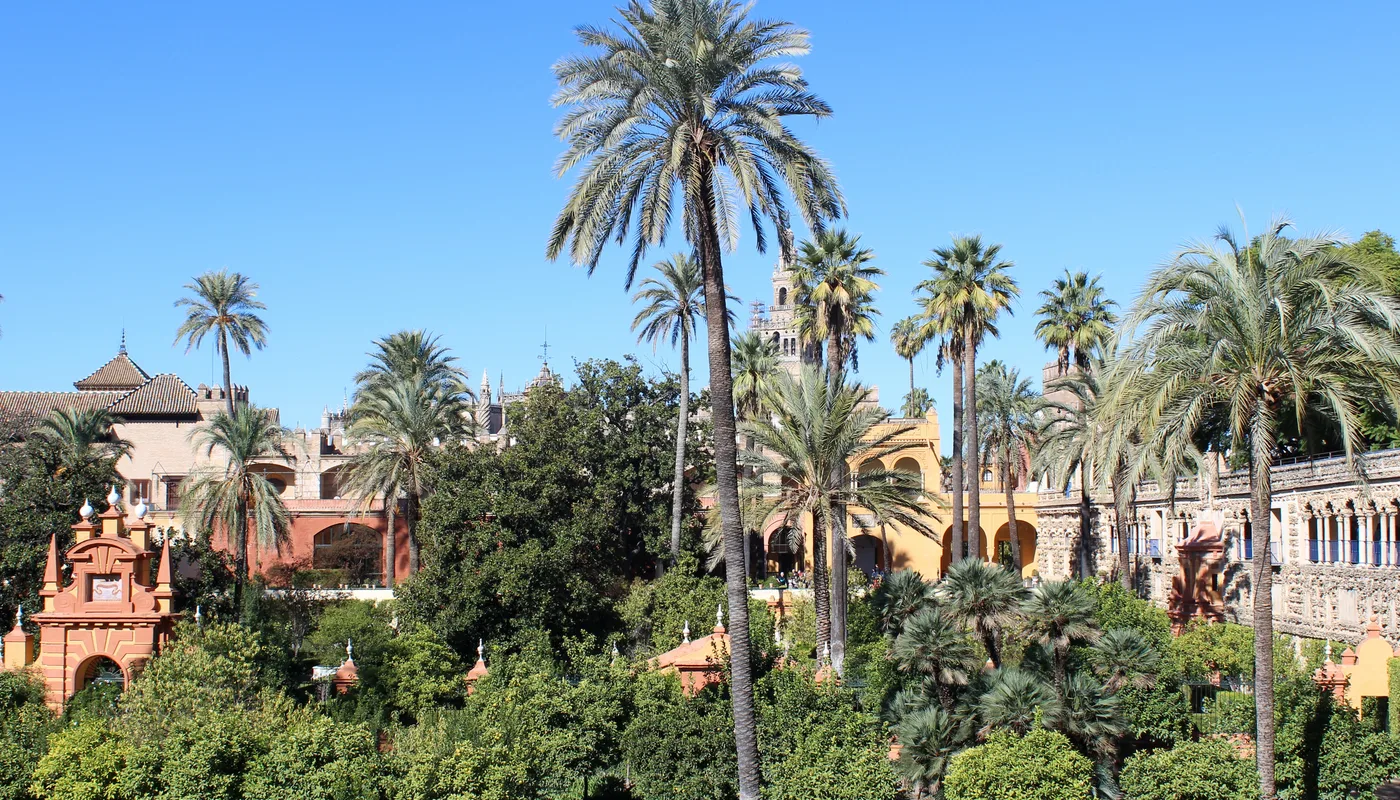
Moorish palaces, a cathedral with a minaret bell tower, tiled plazas, orange-tree streets, tapas bars and flamenco that starts after dark.
Seville is the capital and largest city of the autonomous community of Andalusia and the province of Seville in Spain. It is situated on the lower reaches of the River Guadalquivir, in the southwest of the Iberian Peninsula. Seville has a municipal population of about 688,714 as of 2025, and a metropolitan population of about 1.5 million, making it the largest city in Andalusia and the 5th-largest city in Spain. Its old town, with an area of 4 square kilometres, contains a UNESCO World Heritage Site comprising three buildings: the Alcázar palace complex, the Cathedral and the General Archive of the Indies.
From Wikipedia, "Seville" (CC BY-SA 4.0)
Known for
Why it might fit you: Seville is best as a slow, warm-weather city. See the big sights in the morning, rest through the hottest hours, and spend evenings eating tapas in Santa Cruz, Alfalfa and across the river in Triana.
Currency: Wikidata. Airports: OurAirports; distances are straight-line from the center of Seville.
Worth knowing
Long before the postcards
Seville is approximately 2,200 years old. The passage of the various civilizations instrumental in its growth has left the city with a distinct personality, and a large and well-preserved historical centre.
Sun and sky today
Checking today's forecast…
On the table
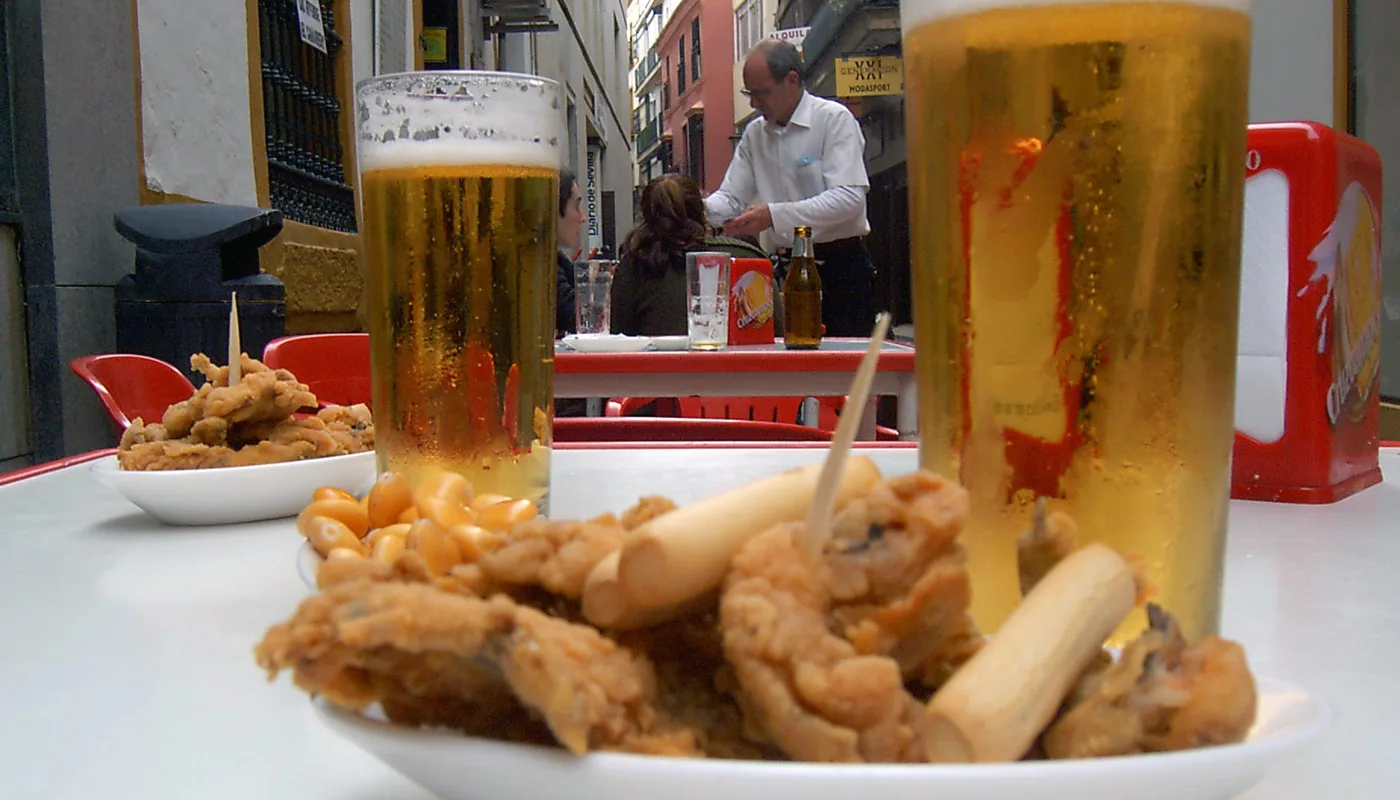
The tapas scene is one of the main cultural attractions of the city: people go from one bar to another, enjoying small dishes called tapas. Local specialities include fried and grilled seafood (including squid, choco, swordfish, marinated dogfish, and ortiguillas), grilled and stewed meat, spinach with chickpeas, Jamón ibérico, lamb kidneys in sherry sauce, snails, caldo de puchero, and gazpacho.
The land
Seville has an area of 141 km2, according to the National Topographic Map series from the Instituto Geográfico Nacional – Centro Nacional de Información Geográfica, the country's civilian survey organisation. The city is situated in the fertile valley of the River Guadalquivir.
By the numbers
History, food and land: Wikipedia, "Seville" (CC BY-SA 4.0, quoted). Numbers: Wikidata. Sun and UV: Open-Meteo.
Seville packs palaces, a giant cathedral and some of Spain's best tapas into a walkable old town, and its evenings run late in the best way.
Take the 2-minute quizAverage high and low (°F) and rainy days, 2016–2025. Best months are highlighted.
Source: Open-Meteo historical weather (ERA5), CC BY 4.0. Past averages, not a forecast.
Use the scores to understand the destination quickly, then explore the details that matter to you.
These are rough daily estimates per person before flights, but they help set expectations.
Boutique hotel in the old town, the Alcázar and cathedral, and a flamenco show.
Tap any item for timing, tips, and who it suits.
A royal palace still used by Spain's royal family, built over centuries in Mudéjar style, with tiled halls and huge gardens.
One of Europe's most beautiful palaces.
The largest Gothic cathedral in the world; its bell tower, the Giralda, began as the minaret of a mosque and is climbed by ramps, not stairs.
Scale, history and a city view.
A sweeping semicircle of brick and painted tiles built for the 1929 Ibero-American Exposition, with an alcove for each Spanish province.
Seville's most photographed place.
The old Jewish quarter: whitewashed lanes, flower-filled patios and small squares beside the Alcázar.
Getting lost is the point.
The neighborhood across the river, known for ceramics, flamenco history and a food market on the site of an old castle.
Seville at its most local.
Flamenco shows in tablaos and small venues, plus a museum dedicated to the dance.
The art form in one of its homes.
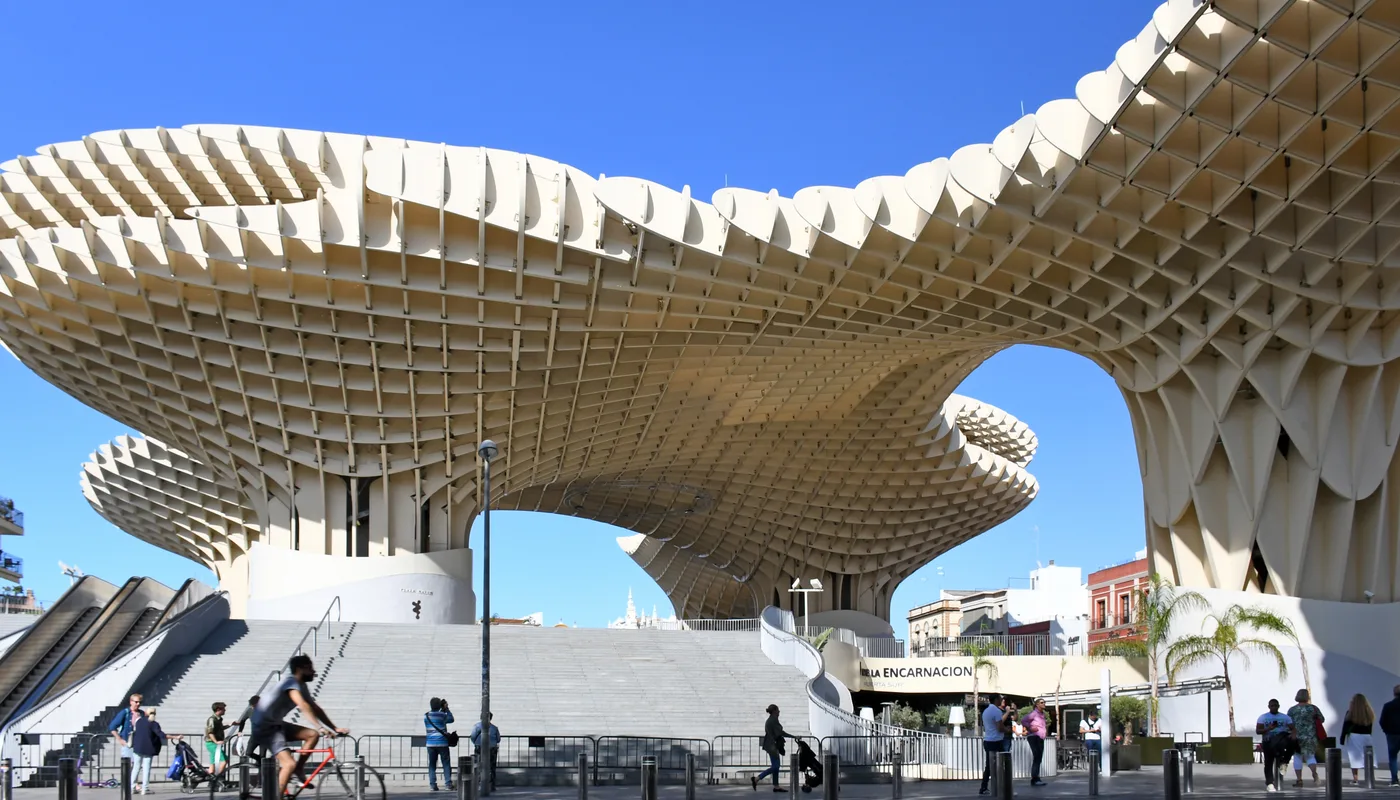
A huge wooden canopy nicknamed Las Setas (the mushrooms), with a walkway on top over the old town.
Modern architecture and a sunset view.
Córdoba's Mezquita, a mosque-cathedral with a forest of red-and-white arches, is a short high-speed train ride away.
One of Spain's great monuments.
Tap any item for timing, tips, and who it suits.
A royal palace still used by Spain's royal family, built over centuries in Mudéjar style, with tiled halls and huge gardens.
One of Europe's most beautiful palaces.
The largest Gothic cathedral in the world; its bell tower, the Giralda, began as the minaret of a mosque and is climbed by ramps, not stairs.
Scale, history and a city view.
Flamenco shows in tablaos and small venues, plus a museum dedicated to the dance.
The art form in one of its homes.
A crawl from bar to bar, ordering a few small plates at each.
The best way to eat in Seville.
In spring, thousands of orange trees flower and the whole city smells of azahar blossom.
A seasonal moment worth timing a trip around.
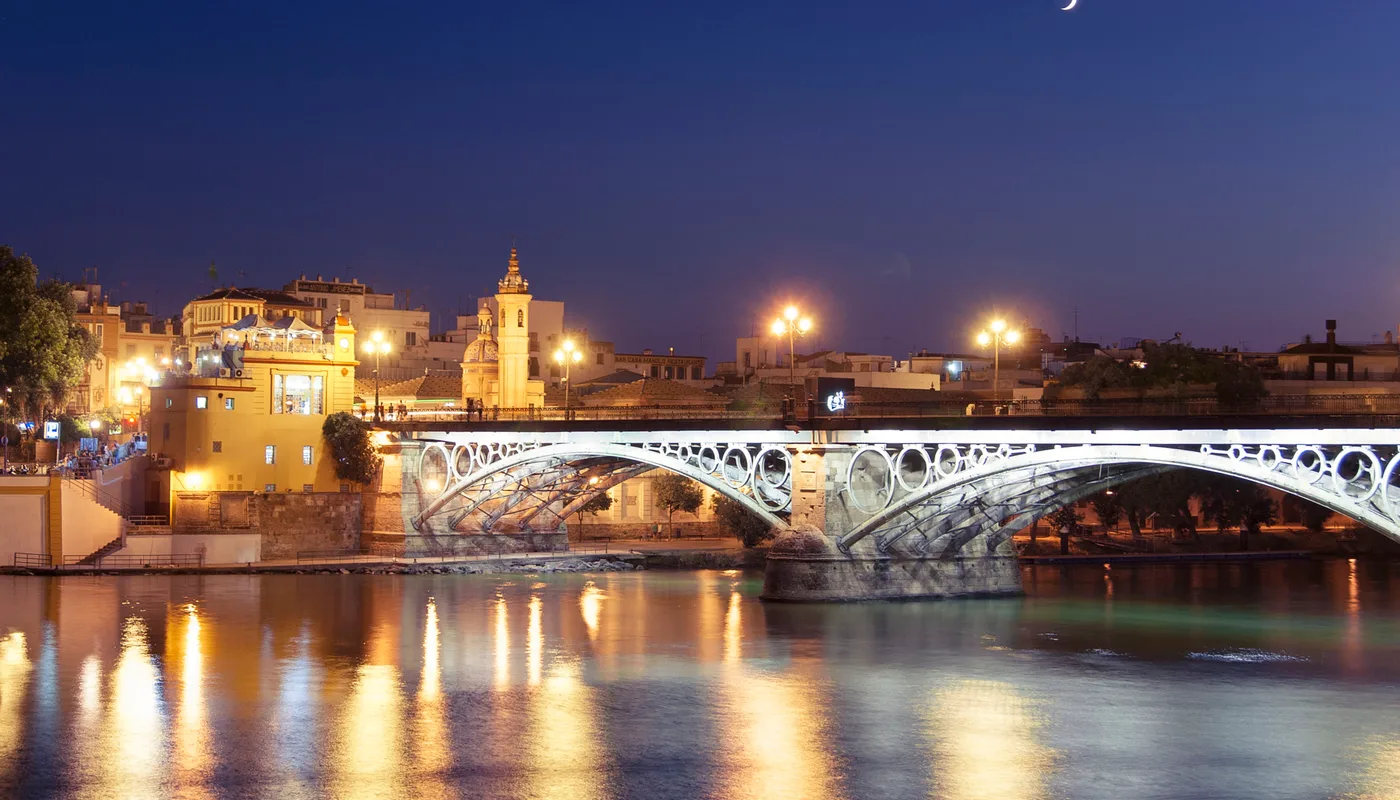
The Guadalquivir at golden hour, from the riverbank by Torre del Oro or Triana Bridge.
A slow end to the day.
A simple sample itinerary, one line per day:
$$ · Moderate compared with other places on No Name. A label, not a price.
Switch the personality of the trip and see how the days change.
Morning sights, long lunches, and warm evenings.
Quiet courtyards away from the crowds.
The essentials without rushing.
Use the planner to adjust travelers, budget, dates, flights, stays, and the daily schedule.
Opens Google Flights and Booking.com searches for Seville, Andalusia, Spain. No Name doesn't earn from these links. Prices and availability are on those sites.
Food, photo spots, money tips, and destination-specific details.
Salmorejo, espinacas con garbanzos, pescaíto frito, jamón ibérico, montaditos, and torrijas.
Plaza de España, the Alcázar gardens, the Setas walkway at sunset, and Triana Bridge at dusk.
Tapas-size plates make a bar crawl the best-value way to eat well; many bars also do larger raciones to share.
The details that prevent avoidable mistakes and make the destination feel easier from day one.
Summers are extremely hot (often near 40 °C in July and August); plan sights for mornings and evenings.
Book Real Alcázar and cathedral tickets ahead, especially in spring.
Spain eats late: lunch around 2–4 pm and dinner from about 9 pm.
The old town is compact and best on foot; a tram and buses cover longer hops.
Holy Week (Semana Santa) and the April Fair fill hotels and raise prices, so book early.
Many smaller shops close in the mid-afternoon.
If Seville feels right, these destinations may fit your personality too.