Sun and sky today
Checking today's forecast…
 Switzerland
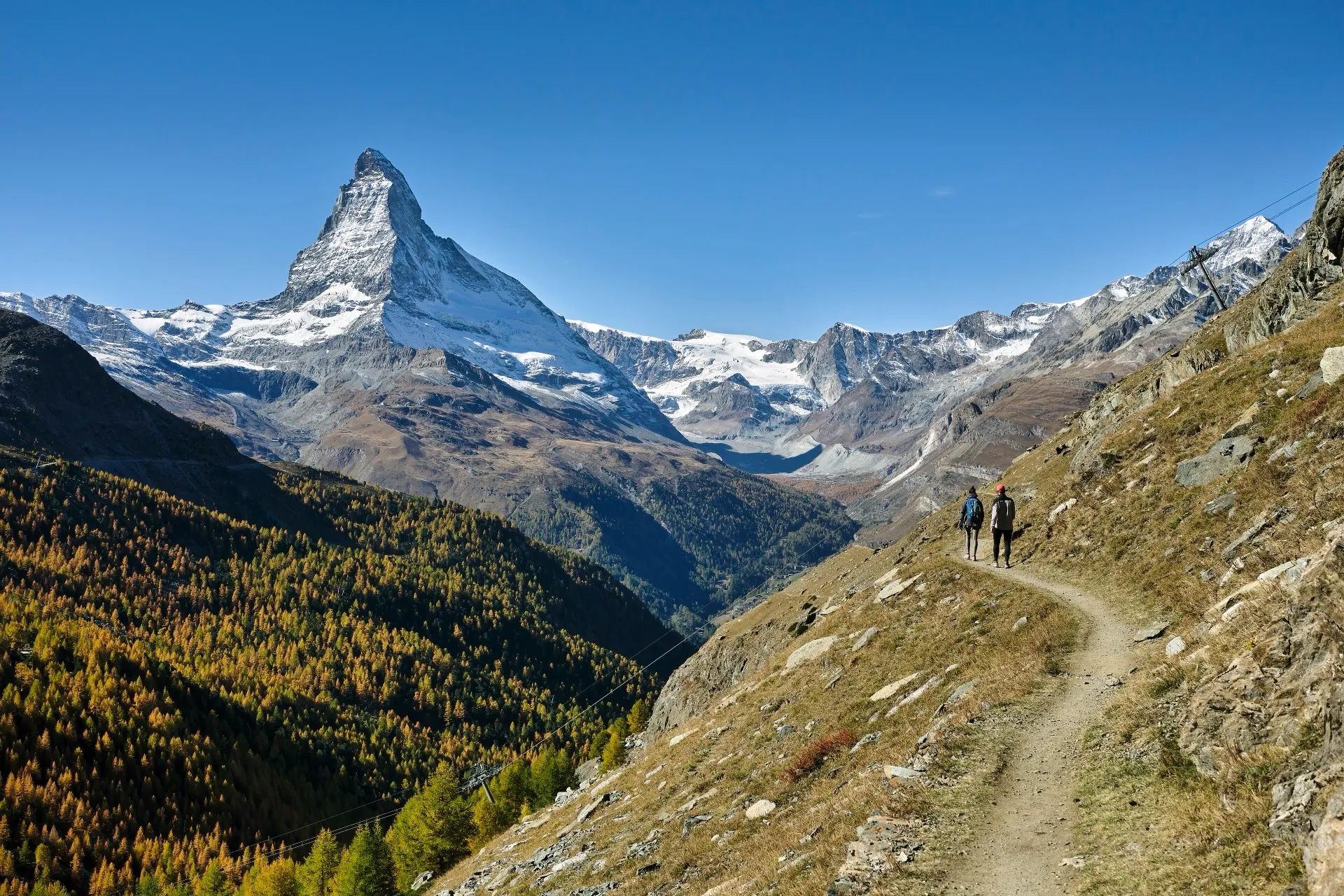
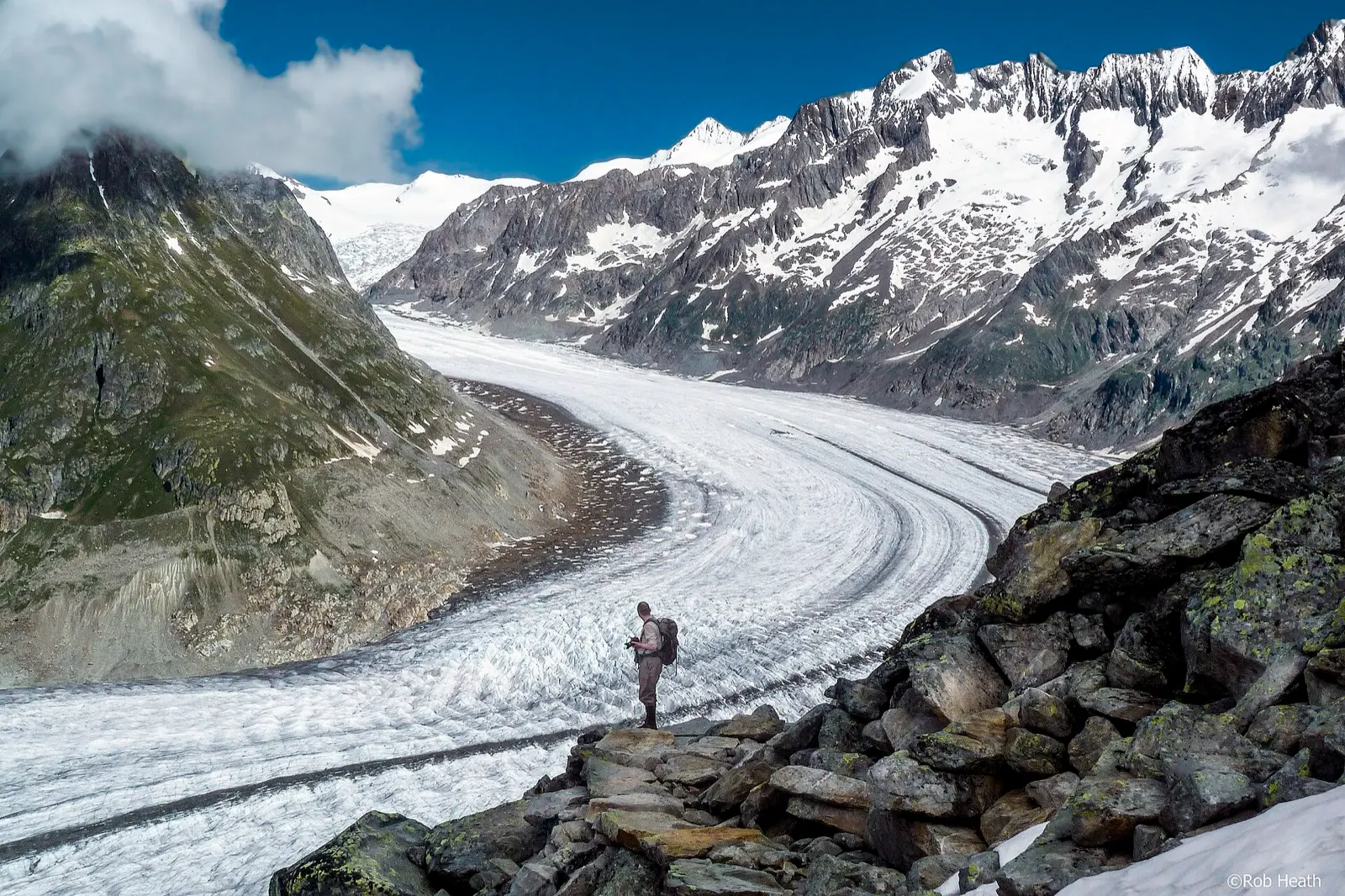
Snowy peaks, glacier valleys, scenic trains, alpine villages, lake views, hiking trails, and polished mountain stays.
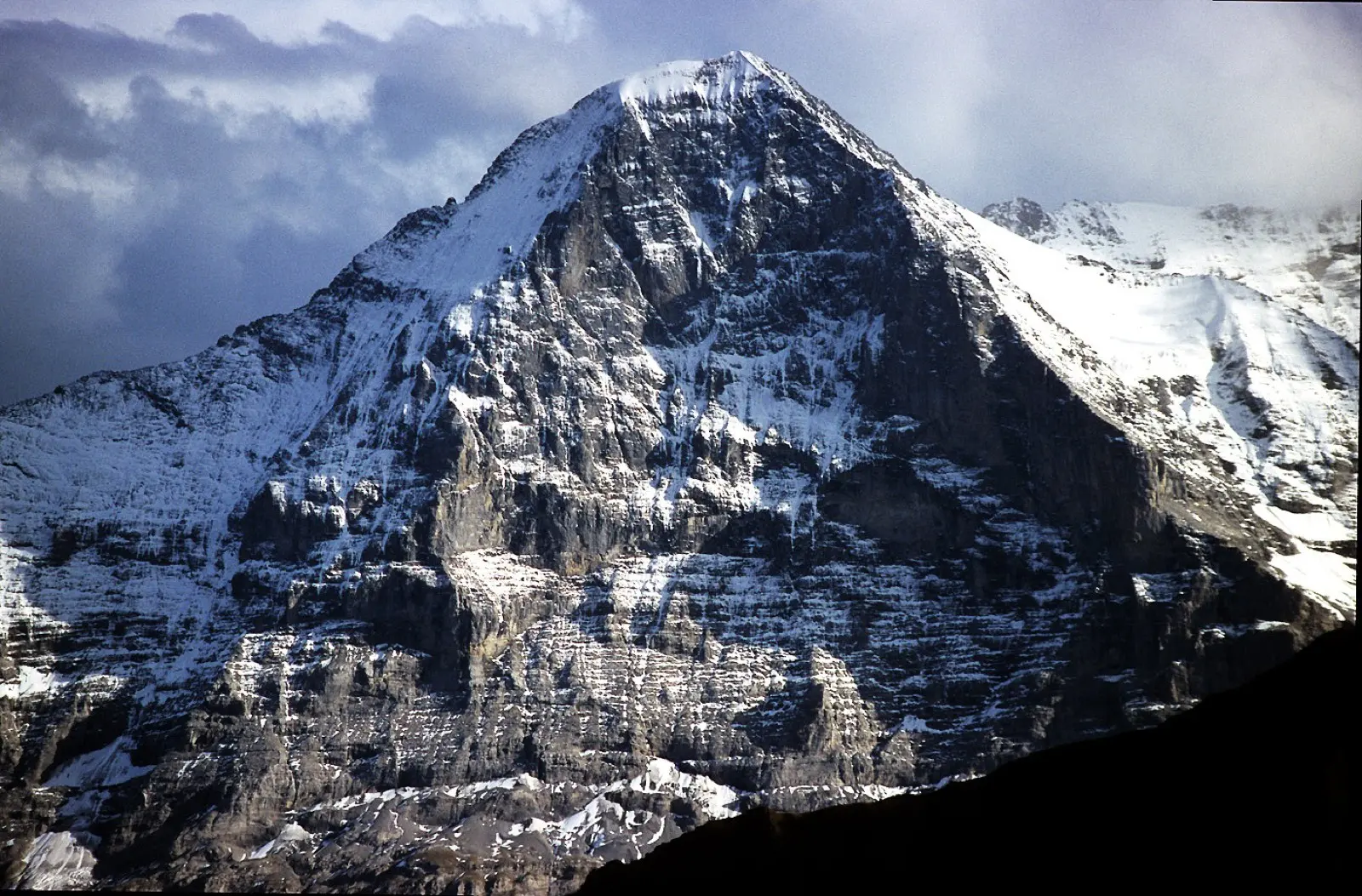
The Alpine region of Switzerland, conventionally referred to as the Swiss Alps, represents a major natural feature of the country and is, along with the Swiss Plateau and the Swiss portion of the Jura Mountains, one of its three main physiographic regions. The Swiss Alps extend over both the Western Alps and the Eastern Alps, encompassing an area sometimes called Central Alps. While the northern ranges from the Bernese Alps to the Appenzell Alps are entirely in Switzerland, the southern ranges from the Mont Blanc massif to the Bernina massif are shared with other countries such as France, Italy, Austria and Liechtenstein.
From Wikipedia, "Swiss Alps" (CC BY-SA 4.0)
Known for
Why it might fit you: The Swiss Alps are best when you choose one or two bases instead of racing across the country. Trains make the scenery part of the experience, and each valley has a different personality.
Currency: Wikidata. Airports: OurAirports; distances are straight-line from the center of the Swiss Alps.
Worth knowing
Sun and sky today
Checking today's forecast…
The land
The Alps cover 60% of Switzerland's total 41,285 square kilometres surface area, making it one of the most alpine countries. Despite the fact that Switzerland covers only 14% of the Alps total 192,753 square kilometres area, 48 out of 82 alpine four-thousanders are located in the Swiss Alps and practically all of the remaining 34 are within 20 kilometres of the country's border.
History, food and land: Wikipedia, "Swiss Alps" (CC BY-SA 4.0, quoted). Numbers: Wikidata. Sun and UV: Open-Meteo.
Scenery, movement, mountain villages, hiking or skiing, and polished travel experiences.
Take the 2-minute quizAverage high and low (°F) and rainy days, 2016–2025. Best months are highlighted.
Source: Open-Meteo historical weather (ERA5), CC BY 4.0. Past averages, not a forecast.
Use the scores to understand the destination quickly, then explore the details that matter to you.
These are rough daily estimates per person before flights, but they help set expectations.
Comfortable hotels, mountain lifts, trains, restaurants, and guided activities.
Switch the personality of the trip and see how the days change.
Let trains, village walks, and mountain views do most of the work.
Stay in one village and enjoy the mountains without chasing every famous peak.
Pair high-alpine scenery with a premium hotel and slower pace.
Use the planner to adjust travelers, budget, dates, flights, stays, and the daily schedule.
Opens Google Flights and Booking.com searches for Swiss Alps, Switzerland. No Name doesn't earn from these links. Prices and availability are on those sites.
Food, photo spots, money tips, and destination-specific details.
Fondue, raclette, rösti, alpine cheeses, pastries, chocolate, and hearty mountain meals.
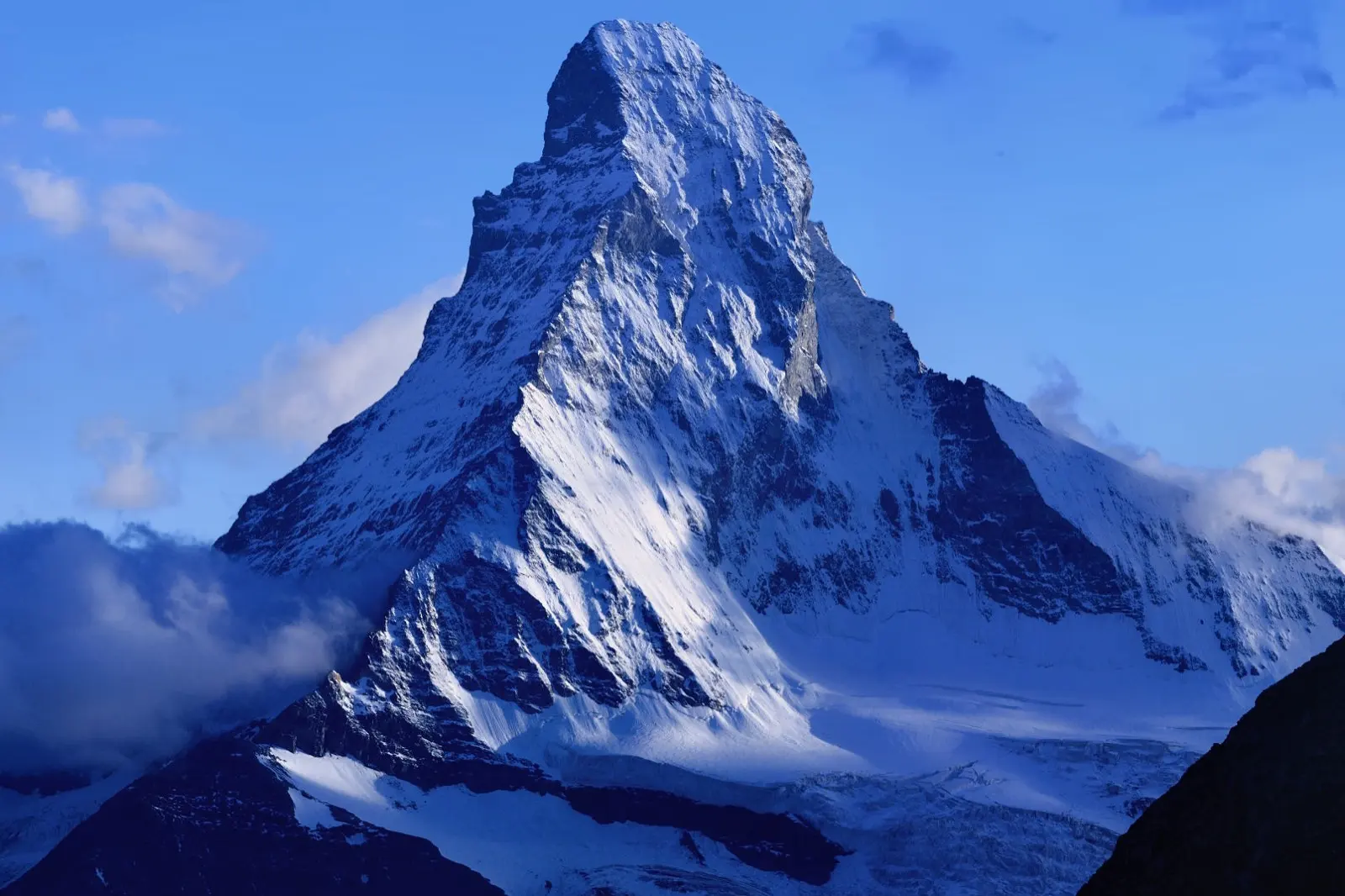
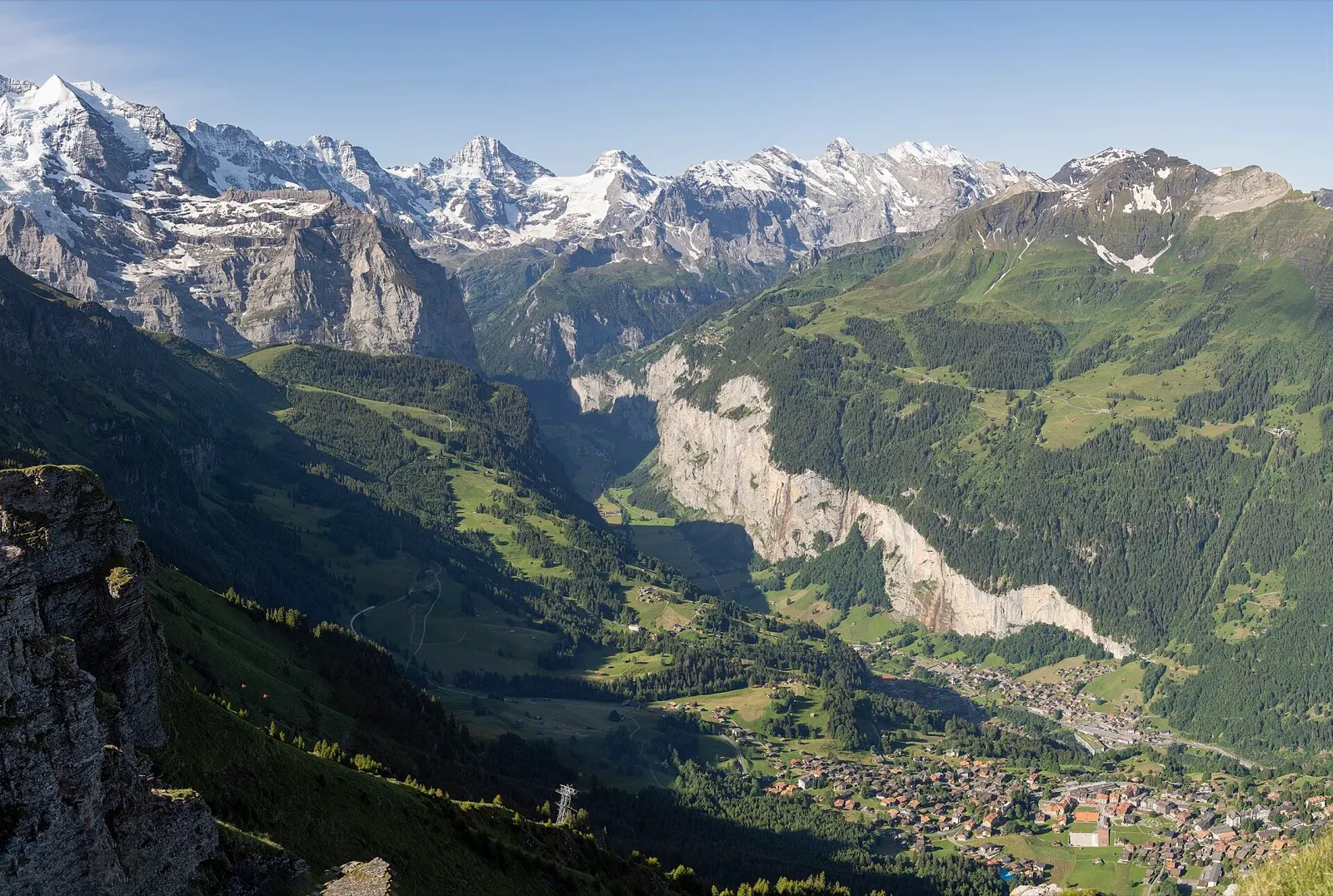
Matterhorn viewpoints, Lauterbrunnen waterfalls, Grindelwald ridges, mountain railways, and turquoise lakes.
Book a regional base and use transit passes strategically instead of buying many one-off mountain tickets.
The details that prevent avoidable mistakes and make the destination feel easier from day one.
Switzerland is expensive, especially mountain transport and restaurants.
Weather can shut down high-elevation views even in summer.
Rail and lift passes can be worthwhile depending on your itinerary.
Pack layers because temperatures change quickly with elevation.
Do not overpack your route; changing valleys every day wastes time.
Some hiking routes are seasonal and may require proper footwear.
If Swiss Alps feels right, these destinations may fit your personality too.