Long before the postcards
The area of Vienna was inhabited by modern humans already from the Upper Palaeolithic period as excavations have found man made cuts in animal bones.
 Austria
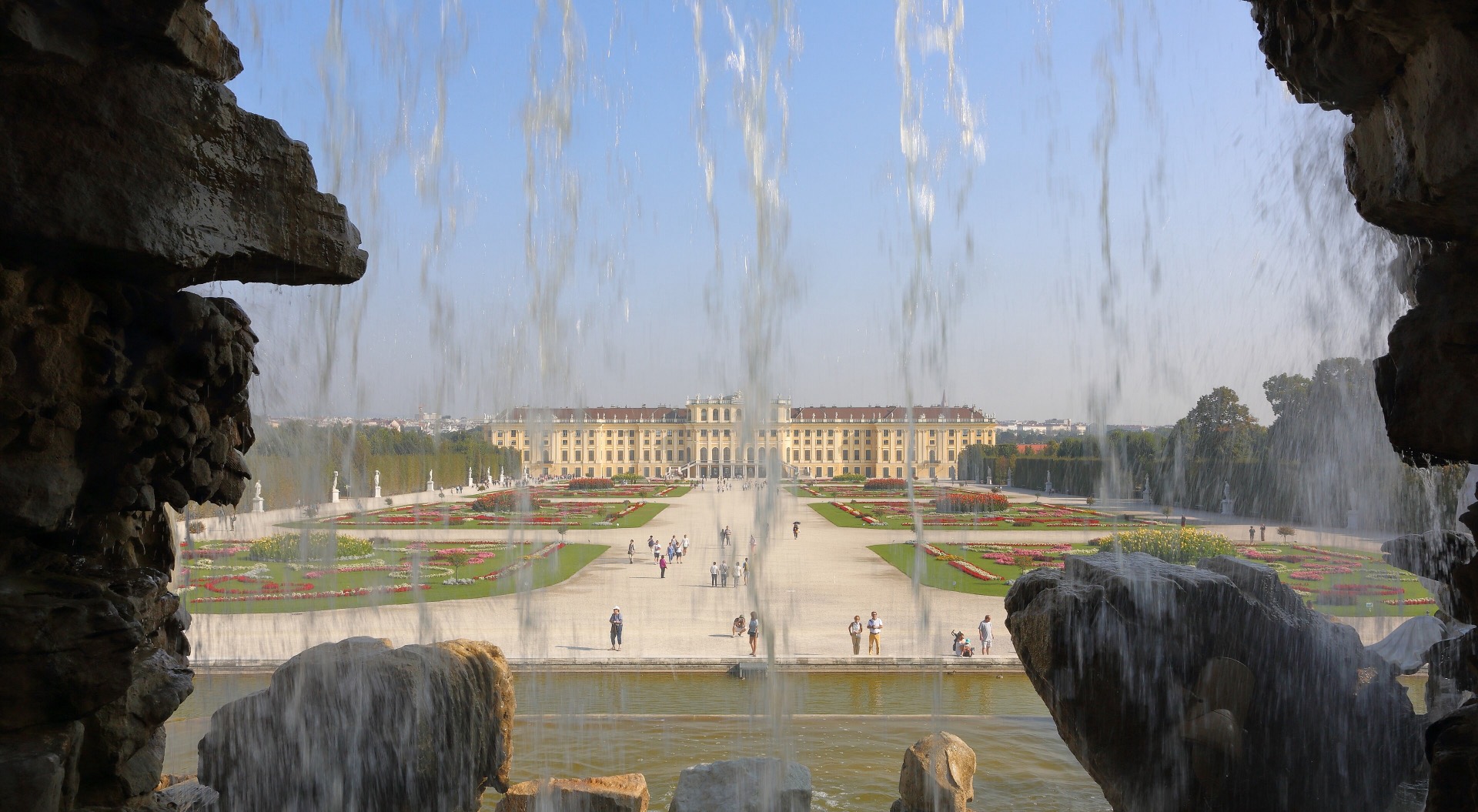
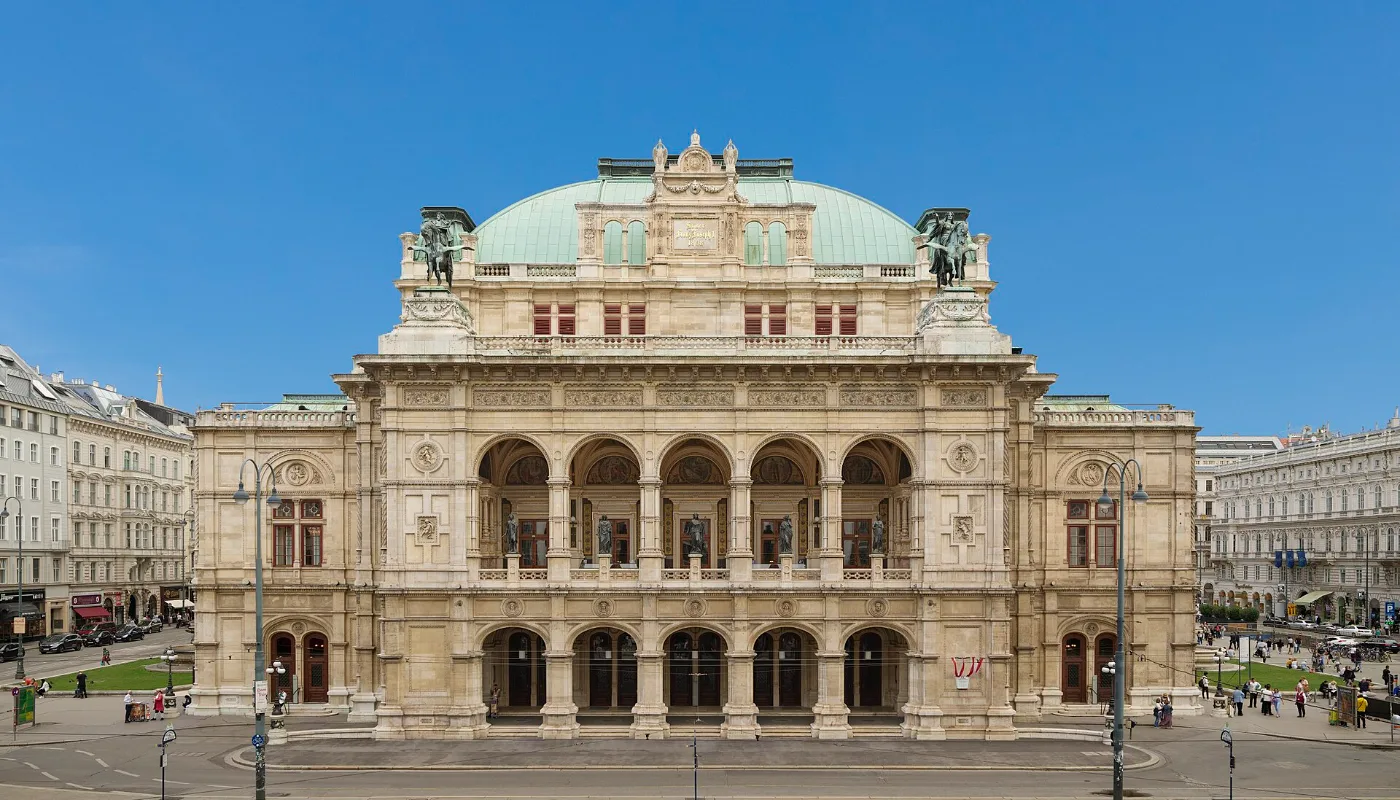
Habsburg palaces, St. Stephen's tiled roof, Klimt at the Belvedere, the State Opera, coffeehouses and the Danube.
Vienna is the capital, most populous city, and one of the nine states of Austria. It is Austria's primate city, with just over two million inhabitants. Its larger metropolitan area has a population of nearly 2.9 million, representing nearly one-third of the country's population. Vienna is the cultural, economic, and political centre of the country, the fifth-largest city by population in the European Union, and the most populous of the cities on the river Danube.
From Wikipedia, "Vienna" (CC BY-SA 4.0)
Known for
Why it might fit you: Vienna rewards a slow pace. Mix one palace and one museum a day with long coffeehouse breaks, and save an evening for music, whether opera, a concert or a Heuriger wine tavern.
Currency: Wikidata. Airports: OurAirports; distances are straight-line from the center of Vienna.
Worth knowing
Long before the postcards
The area of Vienna was inhabited by modern humans already from the Upper Palaeolithic period as excavations have found man made cuts in animal bones.
Sun and sky today
Checking today's forecast…
On the table
Vienna is well known for Wiener schnitzel, a cutlet of veal, sometimes also made with pork or chicken, that is pounded flat, coated in flour, egg, and breadcrumbs, and fried in clarified butter. It is available in almost every restaurant that serves Viennese cuisine and can be eaten hot or cold.
The land
Vienna is located in northeastern Austria, at the easternmost extension of the Alps in the Vienna Basin. The earliest settlement, at the location of today's inner city, was south of the meandering Danube, while the city now spans both sides of the river.
By the numbers
History, food and land: Wikipedia, "Vienna" (CC BY-SA 4.0, quoted). Numbers: Wikidata. Sun and UV: Open-Meteo.
Vienna is elegance at a slow pace: Habsburg palaces, some of the world's great art and music, and coffeehouses where lingering for hours is the point.
Take the 2-minute quizAverage high and low (°F) and rainy days, 2016–2025. Best months are highlighted.
Source: Open-Meteo historical weather (ERA5), CC BY 4.0. Past averages, not a forecast.
Use the scores to understand the destination quickly, then explore the details that matter to you.
These are rough daily estimates per person before flights, but they help set expectations.
Central hotel, palace and museum tickets, coffeehouse lunches.
Tap any item for timing, tips, and who it suits.
The Habsburg summer palace, with its state rooms, formal gardens and the Gloriette on the hill above.
Vienna's most famous sight.
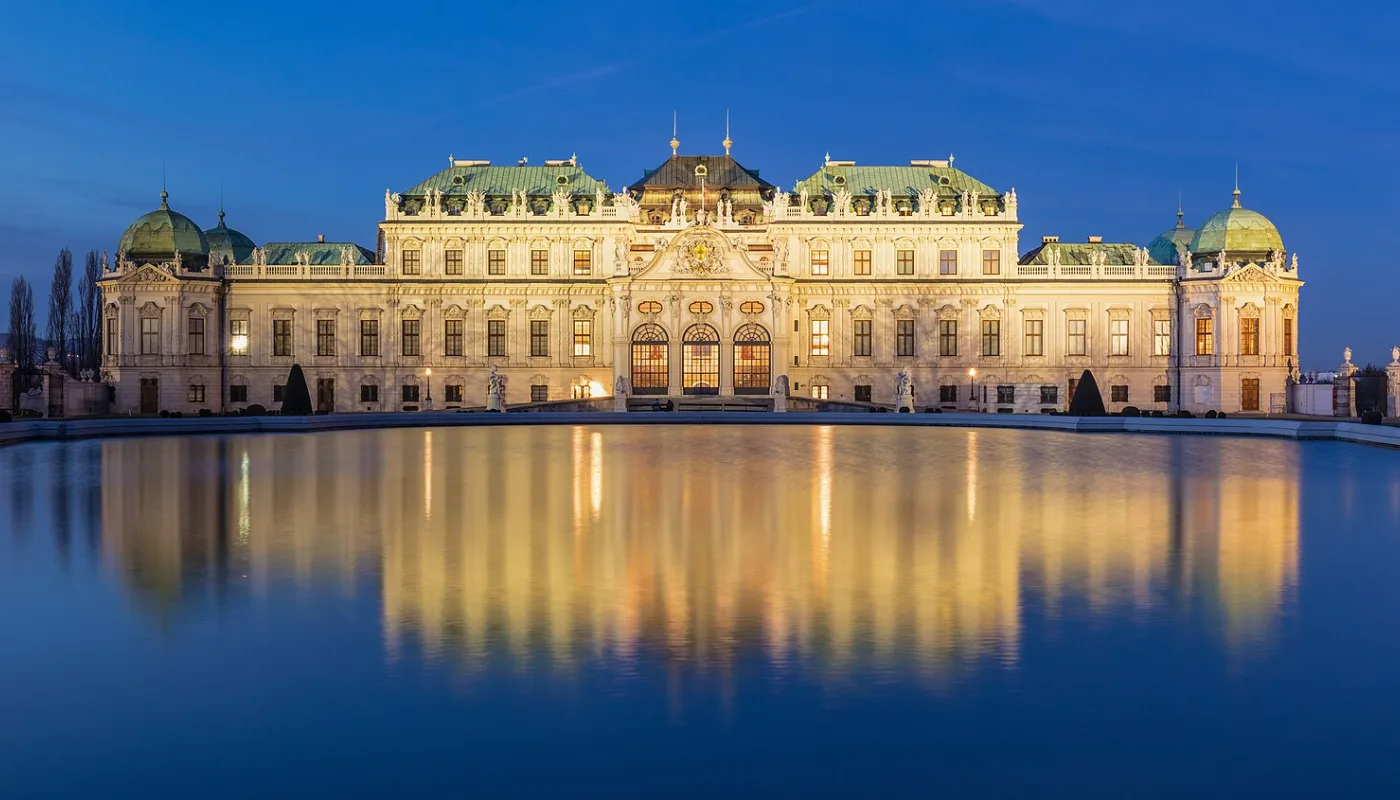
A baroque palace and museum holding the world's largest collection of Klimt paintings, including The Kiss.
Art and architecture together.
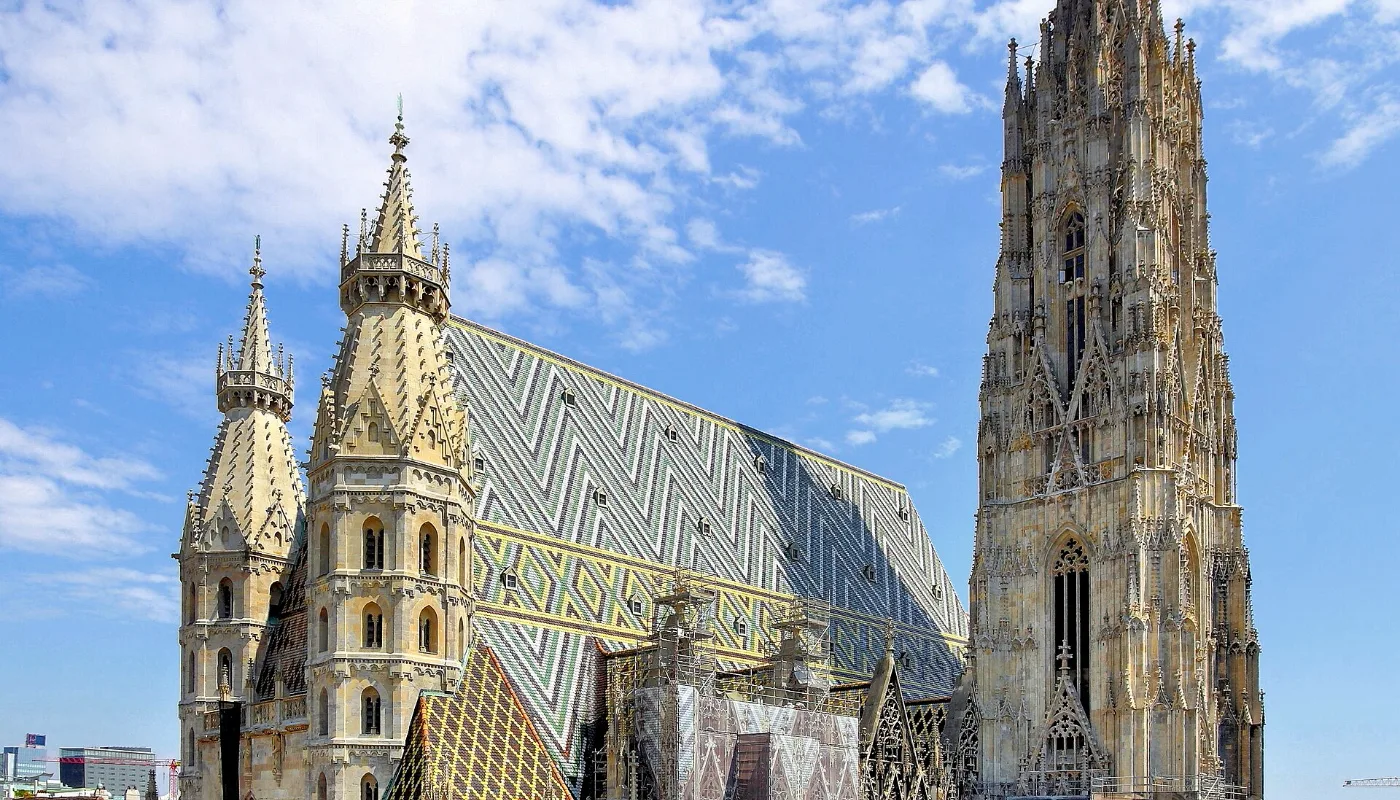
Vienna's Gothic cathedral, with a patterned tile roof, catacombs and towers you can climb.
The city's landmark.
Opera at the State Opera or concerts at the Musikverein and Konzerthaus.
Music in one of its great cities.
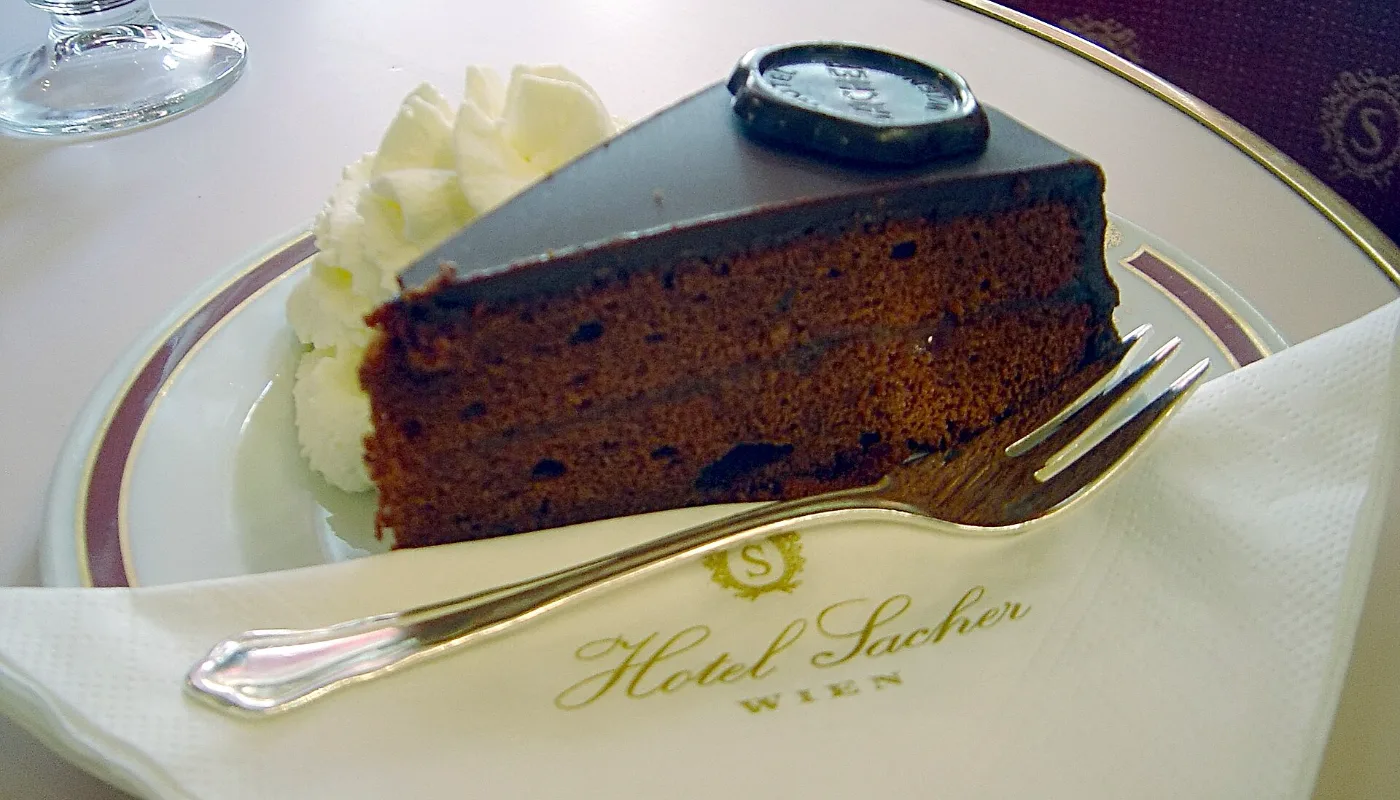
Classic coffeehouses like Café Central, Sperl or Landtmann, with marble tables, newspapers and cake.
A Viennese institution.
The former imperial palace in the center, with the Sisi Museum, Imperial Apartments and the Spanish Riding School.
Habsburg Vienna at the center.
A cluster of museums and courtyards, including the Leopold Museum and mumok, in former imperial stables.
Modern art and a lively courtyard.
The old amusement park in the Prater, home to the 19th-century Giant Ferris Wheel.
A classic view of the city.
Tap any item for timing, tips, and who it suits.
Opera at the State Opera or concerts at the Musikverein and Konzerthaus.
Music in one of its great cities.
Classic coffeehouses like Café Central, Sperl or Landtmann, with marble tables, newspapers and cake.
A Viennese institution.
A baroque palace and museum holding the world's largest collection of Klimt paintings, including The Kiss.
Art and architecture together.
Wine taverns on the city's edge, serving new wine from their own vineyards with simple food.
Vienna's countryside, in the city.
Christmas markets at the Rathausplatz, Schönbrunn and Spittelberg.
Mulled wine and lights.
A simple sample itinerary, one line per day:
$$$ · Pricey compared with other places on No Name. A label, not a price.
Switch the personality of the trip and see how the days change.
Palaces, cake and coffee.
Vienna's green edges.
The essentials, unhurried.
Use the planner to adjust travelers, budget, dates, flights, stays, and the daily schedule.
Opens Google Flights and Booking.com searches for Vienna, Austria. No Name doesn't earn from these links. Prices and availability are on those sites.
Food, photo spots, money tips, and destination-specific details.
Wiener schnitzel, tafelspitz, Sachertorte, apple strudel, and wine from the city's own vineyards.
Schönbrunn's Gloriette, St. Stephen's roof from the north tower, and the Belvedere's reflecting pool.
Standing-room opera tickets, free entry to some museums on certain days, and a Vienna City Card or day ticket for transport.
The details that prevent avoidable mistakes and make the destination feel easier from day one.
Standing-room tickets at the State Opera are a famous bargain; they're sold shortly before many performances.
Coffeehouses expect you to sit and stay; a glass of water comes with your coffee.
Many museums close one day a week, often Monday or Tuesday.
Public transport is excellent; buy a day or 72-hour ticket.
Sundays are quiet; most shops close.
Dress smart for the opera if you have a seat; standing room is more relaxed.
If Vienna feels right, these destinations may fit your personality too.